When you think of Egypt, your mind probably flashes to the pyramids, the Nile, and golden sarcophagi tucked away in dusty museums. But being there—actually walking through the souks, sipping mint tea, hearing the call to prayer drift through the air—it’s a different thing altogether. And of course, you’ll want to bring something home. Something more than just memories.
The problem is: what?
There’s no shortage of trinkets being pushed at tourists. Scarabs in every size and color, miniature pyramids wrapped in plastic, pharaoh busts with paint still wet. But not all souvenirs are created equal. Some are meaningful. Others… not so much. So if you’re heading to Egypt in 2025 and want to come back with things that feel special—authentic, even—here’s a guide worth keeping handy.
1. Hand-Blown Glass from Cairo or Aswan
Wandering into a glass shop in Egypt is like stepping into a jewel box. Bright blues, deep ambers, greens that catch the light in strange ways. There’s something mesmerizing about watching the artisans shape the glass with fire—it’s delicate and alive.
These glass pieces often come in the form of perfume bottles or decorative vases, and while they look fragile, they’re surprisingly sturdy. That said, do wrap them carefully for the trip home. I’ve seen one too many arrive in pieces, unfortunately.
Tip: Ask the seller if it’s handmade. The real stuff often has tiny imperfections. That’s a good thing.
2. Cartouche Jewelry: A Personal Touch
Cartouches are oval nameplates once used to protect a pharaoh’s name. Today, you can have one custom-made with your name in hieroglyphics. Gold and silver options are common, though prices fluctuate depending on quality—and your haggling skills.
It might sound a little cheesy at first, but wearing your own cartouche grows on you. Mine’s tucked into a drawer somewhere, and now I sort of miss it. Should’ve worn it more.
Just make sure the jeweler shows you a proper translation. You don’t want to get “Steve” engraved and end up with something that means “sun potato” or worse.

3. Papyrus Art (But Make Sure It’s Real Papyrus)
You’ll see “papyrus” paintings everywhere. Some are printed. Others are on banana leaves or synthetic material—neither of which is actual papyrus. The genuine stuff has a rough texture, a fibrous feel. If you bend it slightly, it shouldn’t crack or peel.
Look for scenes from the Book of the Dead, depictions of gods, or even modern interpretations with metallic inks. They can be rolled for easy packing, which helps if your suitcase is already groaning.
If you’re not into wall art, you might skip this one. But for the history lover? It’s a keeper.
4. Spices and Herbal Teas
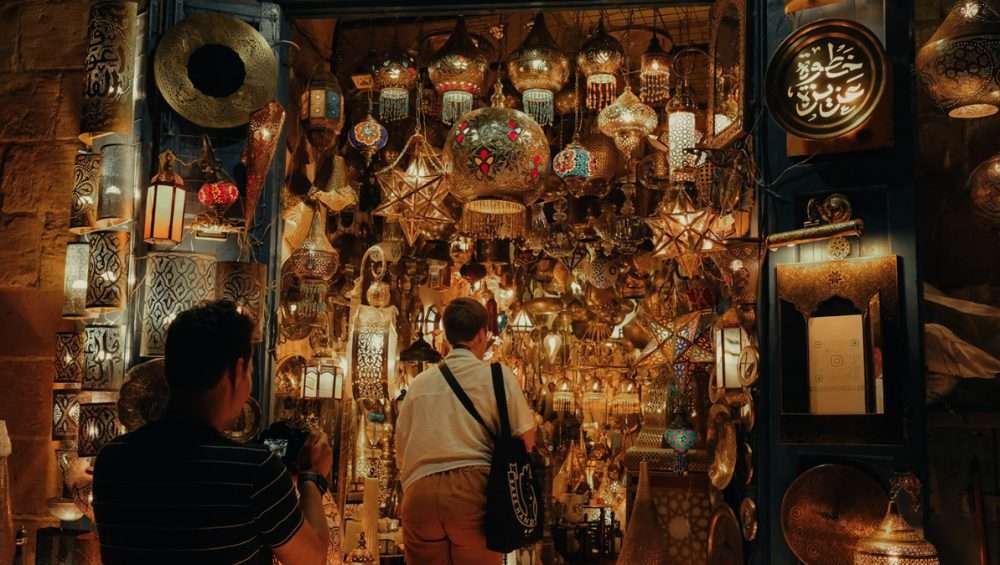
Markets like Khan El-Khalili in Cairo or the spice souk in Luxor overflow with smells—cardamom, hibiscus, cumin, cinnamon. The bright red hibiscus, or karkadeh, makes a tart tea that’s popular hot or cold. It’s refreshing, especially if you’ve been melting in the desert sun all day.
Buying spices in bulk feels adventurous at the time. Just know customs can be picky, depending on where you’re flying to. Still, even a small sachet of dukkah or a handful of cloves makes a nice gift—or a gentle reminder of your trip when you’re back home making dinner.
5. Alabaster from Luxor
Luxor is the place for alabaster. Shops there display everything from candle holders to bowls, and you can often watch artisans working with the stone right outside. The real thing is soft and slightly translucent—hold it up to the light and you’ll see it glow faintly.
The imitation stuff? Heavier, solid, cheaper. Not necessarily bad, just not the same. Decide what you’re after: authenticity, or something pretty that doesn’t cost much.
I bought a small alabaster lantern once, not expecting much. Turns out, it’s one of my favorite keepsakes. The light it gives off is warm, kind of comforting in a way I didn’t expect.
6. Traditional Clothing and Textiles
You might not wear a full galabeya (the loose-fitting traditional robe) once you’re back home, but the embroidery and colors are hard to resist. There are also cotton scarves, woven shawls, and handmade rugs that feel more timeless.
The quality varies, of course. Some markets sell factory-made stuff disguised as handmade. Look for uneven stitching or hand-dyed patterns—signs of actual craftsmanship.
Don’t be afraid to touch everything. Literally. The vendors won’t mind. They’ll probably encourage it.
7. Perfume Oils (But Be Cautious)
Egypt has a long history with perfume, and some shops—especially in Cairo and Luxor—sell fragrant oils meant to replicate designer scents or ancient blends used by royalty. You’ll be ushered into back rooms, offered tea, and given a full presentation.
It’s fun, a bit theatrical even. But it’s also where the hard sell kicks in.
Some oils are lovely, long-lasting, and pure. Others are… not. Ask to try a small amount on your skin. See how it reacts. Smell it again ten minutes later.
I’ve had both experiences. One oil I brought home made me feel like Cleopatra. Another gave me a headache for three hours straight.
A Final Thought
Buying souvenirs in Egypt isn’t just about things—it’s part of the travel experience. The conversations with shopkeepers, the gentle back-and-forth of bargaining, the indecision, the impulse buys. Some things you’ll treasure. Others, you’ll wonder why you bought at all.
But that’s travel, right?
A bit of magic, a bit of chaos, and a suitcase full of stories.