Egypt has always been one of those dream destinations, and it’s easy to see why. The pyramids, the Nile River, and the golden tombs of pharaohs all beckon travelers with the promise of history, adventure, and a taste of something ancient. If you’ve been planning a trip to Egypt—or even just daydreaming about it—there’s a lot to consider when piecing together your itinerary. This isn’t a place where you want to wing it, at least not entirely. It’s vast, filled with landmarks and experiences that can range from the iconic to the hidden gems, and planning well can make a huge difference.
Start with the Big Highlights, but Don’t Forget the Surprises
It’s tempting to start planning your Egypt trip around the obvious landmarks—the Great Pyramids, the Sphinx, the Nile River, and Luxor’s Valley of the Kings. These spots should definitely be on your list, no doubt. But if you’re like most travelers, you’ll quickly find that these major attractions can get crowded, and the experience can sometimes feel a bit…touristy, for lack of a better word. Don’t get me wrong, seeing the pyramids in person is awe-inspiring. But you may also find yourself elbowing through throngs of tourists, fighting for the perfect photo spot.
The key is balance. Make sure to leave some room in your itinerary for the lesser-known spots—places that will give you a more intimate experience with Egypt’s rich culture. Take a day to explore Alexandria, the coastal city with its own mix of ancient and modern vibes. Or venture into the desert to see the White Desert, where the surreal landscape will feel like something out of a dream. These places are quieter, often with fewer crowds, and might leave you with a stronger sense of Egypt’s diverse charm.
Timing Matters More Than You Think
Here’s one piece of advice you’ll thank me for later: the timing of your trip is key. Egypt’s climate is famously hot, especially in the summer months, when temperatures in places like Luxor and Aswan can soar to well over 100°F (38°C). If you want to avoid that intense heat, the best time to visit is between October and April. That way, you’ll get pleasant weather, which makes exploring ancient sites much more enjoyable. Plus, the crowds during this time are more manageable compared to the peak summer months.
If you do decide to go during the summer (or even just shoulder season), you’ll want to plan your day around the temperature. Start early, as in really early—before the sun gets too intense. You’ll find that the mornings are cooler, and you’ll be able to enjoy the sights before the midday heat kicks in. If you’re heading out to the desert, an evening or night excursion is also an option.
How Much Time Do You Really Need?
This is where the trickiness starts. The sheer size of Egypt means there’s always more to see, and it can be hard to determine how much time to allocate for each spot. Do you need a full week in Cairo? How about just a day or two in Luxor? And what about the Red Sea resorts? It really depends on what kind of trip you’re looking for.
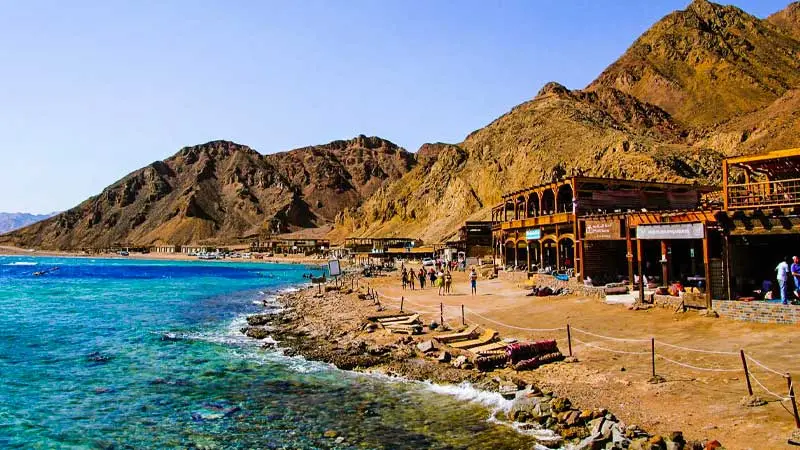
For a quick, highlights-only itinerary, you could probably do Cairo, Giza, and Luxor in about 5 to 7 days. This would allow for visits to the Great Pyramids, the Egyptian Museum in Cairo, the temples in Luxor, and maybe a brief Nile cruise. However, if you’re keen on diving into Egypt’s history and culture more deeply, I’d recommend stretching it to 10 or even 14 days. A longer trip means more time in places like Aswan, Abu Simbel, or even a cruise down the Nile. It also allows for downtime—because let’s be honest, sometimes you need a little break from the ancient wonders, and just lounging by the Red Sea or enjoying some local food can be a much-needed respite.
Getting Around Egypt: A Mixed Bag
When it comes to getting around Egypt, things aren’t always as seamless as you might hope. In cities like Cairo, traffic can be an absolute nightmare, and driving can feel like a game of chicken—except no one is really playing by the same rules. The metro in Cairo is efficient, though, and much more affordable than taxis or Uber, if you’re willing to brave the crowds. For longer distances, you’ve got options, though again, there’s a bit of trial and error involved.
A Nile cruise is a popular way to travel between Luxor and Aswan, and it’s pretty relaxing—though it’s not exactly the most budget-friendly way to get around. But if you have the time (and the cash), it’s a great way to see some of Egypt’s iconic sites while enjoying the peaceful flow of the river.
If you’re short on time, consider flying. Flights within Egypt are relatively affordable, especially when you book early, and they’ll save you hours compared to trains or buses. The major airports—like Cairo, Luxor, and Aswan—are well-connected to international hubs, so you shouldn’t have too much trouble finding flights.

Packing: What You’ll Need and What You Can Leave Behind
Packing for Egypt can be a little tricky. The hot desert sun means you’ll want lightweight, breathable clothing, but it’s also important to respect local customs, especially when visiting religious sites. Think modesty: long sleeves, long skirts or pants, and scarves for women (and men too, in some places) will help you feel more comfortable and appropriate.
Comfortable walking shoes are an absolute must. You’ll be doing a lot of walking on uneven terrain—think sand, dust, and cobblestones—so sturdy footwear is essential. Don’t forget sunscreen and a hat, even if you’re traveling in the cooler months. And, of course, don’t skimp on a good camera or phone. You’ll want to capture the breathtaking sights.
A Few Final Thoughts
Ultimately, your Egypt itinerary should feel like a reflection of what excites you most about the country—whether it’s the grand scale of the monuments or the quieter moments of wonder as you sit on the banks of the Nile at sunset. It’s easy to get caught up in ticking off all the major landmarks, but I’d suggest slowing down a bit when you can. Sometimes the most memorable moments are the unplanned ones: a chat with a local vendor, a spontaneous detour through a hidden alley in Cairo, or a sunset cruise on the Nile.
In the end, Egypt isn’t just about visiting old ruins; it’s about connecting with a culture that’s thousands of years in the making. So, while your itinerary might be packed with historical sites, make sure to leave a little room for the magic that can happen when you just go with the flow.