Planning a trip to Egypt can feel a little overwhelming at first. Not because it’s complicated exactly—but because there’s just so much. So much history, so many bucket-list sites, and more than a few opinions about how to “do it right.” But honestly? There’s no single best way. This sample itinerary offers a balanced 7-day plan for first-time travelers who want to see the highlights without rushing through the experience like it’s a scavenger hunt.
Day 1: Arrival in Cairo
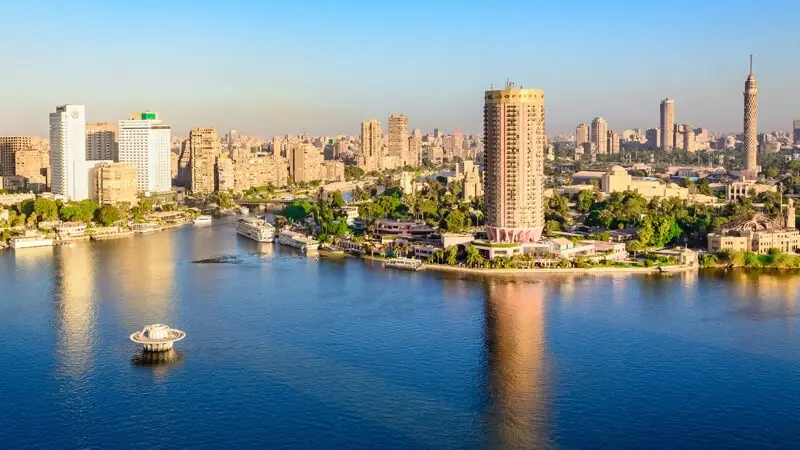
Most likely, you’ll land in Cairo late in the day. The city doesn’t exactly roll out a gentle welcome—it’s loud, crowded, and doesn’t slow down for anyone. But there’s something magnetic about it too. Maybe it’s the way ancient ruins peek through the chaos, or how you’ll catch snippets of the call to prayer echoing over the traffic.
Depending on your energy, you might just want to check into your hotel and crash. Or maybe take a short walk near your accommodation. Even that can be a little adventure. The scent of grilled meats, the glow of neon signs—it’s immediate and alive.
Day 2: Pyramids of Giza + Sphinx
Yes, they’re touristy. Yes, they live up to the hype.
Spend the morning at the Pyramids of Giza. Go early if you can. The light is softer, the crowds thinner, and the heat less oppressive. Riding a camel sounds fun in theory—it’s fine, just know it’s not as smooth or romantic as the photos make it look.
The Sphinx is smaller than you expect. Everyone says that, and it’s still surprising.
After lunch, consider visiting the Solar Boat Museum or heading back into Cairo for a relaxing felucca ride on the Nile at sunset. That was one of the most unexpectedly peaceful moments of the trip for me. No engine noise, just the water and the breeze and a hazy skyline.
Day 3: Egyptian Museum + Islamic Cairo
The Egyptian Museum is… chaotic. Half the labels are faded, and the lighting is all over the place. But it houses some of the most incredible artifacts in the world. Tutankhamun’s mask alone is worth the visit.
Later in the day, head to Islamic Cairo. Walk through the narrow alleys of Khan el-Khalili bazaar, and maybe grab some tea at El Fishawy, a café that’s been operating for over 200 years. You might get lost. That’s kind of the point.
Honestly, one of the things I remember most isn’t anything I saw—but how loud and full of life the streets were. People shouting, laughing, bargaining. The kind of place where standing still for too long means someone will try to sell you something, or ask where you’re from. Or both.

Day 4: Fly to Aswan
Early morning flight south to Aswan. The pace changes here. Everything feels slower, the air softer somehow. The Nile is bluer, the sky more open.
Start with a visit to Philae Temple. It’s dedicated to Isis and sits on an island—you’ll need to take a small boat to get there, which is part of the charm. It’s less crowded than the temples near Luxor, and if you catch it in the right light, it’s hauntingly beautiful.
Spend the evening walking along the corniche or visiting the Nubian village across the river. There’s color everywhere—bright walls, hand-painted doors, spices in bowls shaped like flowers. It feels like a different Egypt.
Day 5: Abu Simbel (Day Trip) + Train to Luxor
This day starts early. Like, really early. Most tours to Abu Simbel leave around 4 a.m., but it’s worth it. These massive rock-cut temples were moved piece by piece when Lake Nasser was created, and standing in front of them, it’s hard to wrap your head around how that was even possible.
Back in Aswan by afternoon, and then you’ll either take a short flight or board the train to Luxor. The train is slower but more atmospheric. Not always comfortable, but interesting. Someone might try to sell you tea in a chipped glass. There’s a rhythm to it.
Day 6: West Bank of Luxor – Valley of the Kings
Luxor is intense in a different way from Cairo. The temples are so well-preserved it almost feels like time paused here.
Start your day on the West Bank: Valley of the Kings, Hatshepsut’s Temple, and possibly the Colossi of Memnon. Some tombs are simple and quiet. Others are deep, vibrant with color, and almost dizzying in their detail.
You won’t see them all. Don’t try.
By afternoon, cross back over the Nile. If you’re not too worn out, visit Luxor Temple at dusk. The way the columns glow under floodlights as the sky darkens—it sticks with you.
Day 7: Karnak Temple + Return to Cairo
Start your last full day at Karnak. It’s massive—more a complex than a single temple. Take your time. Some people spend two hours here. I stayed almost four and still felt like I missed things.
Then, depending on your travel plans, either catch a flight back to Cairo or spend a relaxed final evening in Luxor.
It’s okay if your energy’s flagging by now. Egypt is a lot. Not just physically, but mentally too. You’re constantly shifting between awe and exhaustion.
A Few Final Thoughts
This itinerary doesn’t cover everything. It skips Alexandria, the Red Sea coast, and dozens of lesser-known temples that some might argue are “hidden gems.” That’s okay.
Seven days isn’t long enough for all of Egypt. But it’s enough to get a sense of the place—to feel both the weight of history and the chaotic energy of the present. And maybe leave with a few sand-crusted memories that feel a little unfinished.
Travel should do that sometimes. Leave you curious, not just satisfied.