How Much Does a Trip to Egypt Cost? A Breakdown of Average Travel Expenses
Planning a trip to Egypt is exciting—it’s one of those destinations that stirs up images of ancient pyramids, bustling markets, and sunsets over the Nile. But before you start packing your bags, there’s the inevitable question: How much is this actually going to cost?
Well, the short answer is: it depends. A lot. Egypt can be surprisingly affordable or quietly expensive, depending on your travel style, the time of year, and the experiences you’re after. Let’s unpack the average costs, bit by bit.
Flights: The First Big Ticket
If you’re flying from North America or Europe, flights are likely to be your biggest upfront expense. Roundtrip airfare from major US cities to Cairo typically ranges from $700 to $1,200, depending on the season and how far in advance you book.
From Europe, it’s often cheaper—flights from places like Paris, Rome, or Berlin can dip as low as $250 to $500 roundtrip, especially with budget carriers. I once grabbed a last-minute ticket from London to Cairo for under $300, though I wouldn’t bet on that happening twice.
If you’re flying from within the Middle East or North Africa, of course, things change entirely. Some regional flights hover under $200 roundtrip. So yes, geography matters.

Accommodation: From Hostels to Hotels With Pyramids in View
Egypt offers a surprisingly wide range of accommodations. You can crash in a hostel dorm for as little as $5 to $10 a night, which is ideal if you’re on a backpacker’s budget. Basic guesthouses or budget hotels usually range from $20 to $40 per night, and they often include breakfast.
Mid-range hotels might set you back $50 to $100 per night, and that’s where you start getting more amenities—like pools or organized tours. Luxury hotels? You’re looking at anywhere from $150 to $300+ per night, and some even offer views of the Pyramids from your room. Those views come at a price, but… they’re also unforgettable. Depends on how you weigh value.
Airbnb is an option, too, especially in Cairo and Alexandria. Prices vary wildly. You might find a decent apartment for $30 a night or something fancier for $80 or more. Quality can be hit or miss, though, so check reviews carefully.
Transportation: Cheap, But Occasionally Confusing
Getting around Egypt is relatively inexpensive, though a bit chaotic at times. Taxis are everywhere, and a short ride in Cairo might cost $1 to $3—if you haggle or use Uber. Speaking of which, Uber is available in larger cities and often more reliable than local taxis, especially if you don’t speak Arabic.
Longer distances are usually handled by train or domestic flights. A train from Cairo to Luxor (a popular route) can cost between $10 and $30, depending on class. Flights on local carriers like EgyptAir might be $40 to $100 one-way, which isn’t bad if you’re short on time.
Buses are cheaper, of course. But expect long rides and mixed comfort levels.
Food: Delicious and Surprisingly Affordable
Food in Egypt is where your money stretches beautifully. A filling meal from a street vendor—say, koshari or falafel—might cost you $1 to $2. Seriously. Even sit-down restaurants are rarely expensive. A full meal at a decent mid-range spot might be $5 to $10, sometimes including a drink.
That said, imported alcohol can be pricey, and Egypt isn’t known for a thriving nightlife (at least not in the same way as some European or Asian destinations). You can find beer and wine, but it’ll often cost more than your food. A local beer might be $2 to $4. Not outrageous, just more than you’d expect relative to everything else.
Sightseeing: Where the Costs Can Sneak Up
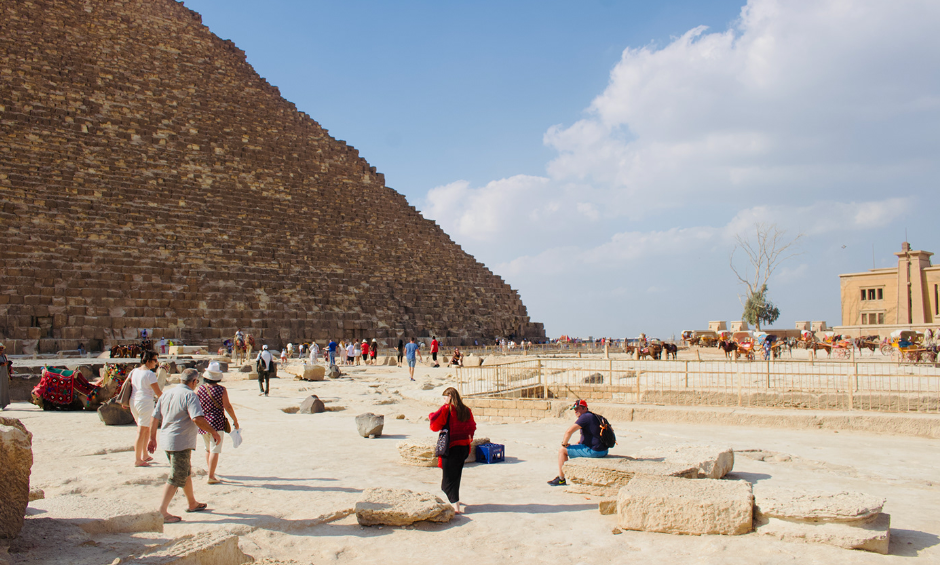
Entry fees for Egypt’s famous sites are reasonable—until they start adding up. The Pyramids of Giza? About $10 to $12 for the general area, but going inside the Great Pyramid is an extra $15 to $20. Luxor’s Valley of the Kings? Around $6 to $12, depending on how many tombs you want to enter.
Many travelers are surprised by how many sites charge separate entrance fees. Museums, temples, mosques—each typically has its own ticket. It’s not overwhelming, but if you’re trying to see everything, budget $100 to $150 total for entrance fees across a week-long trip.
Guided tours are another variable. A group day tour might cost $30 to $50, while a private guide and driver could be $100 to $200 per day, depending on where you are and how long the tour runs.
Extras: Tips, Souvenirs, and the Unexpected
Tipping is part of daily life in Egypt, and while it’s not a massive cost, it adds up. You might tip a few coins to a bathroom attendant, a few pounds to someone who helps with your bags, and more to guides or drivers. Budget $5 to $10 per day for tips just to keep things smooth.
Souvenirs? Negotiation is expected, especially in markets. Papyrus art, miniature pyramids, scarves, spices—you’ll see it all. Some of it is touristy, sure, but still fun. Set aside $20 to $50 if you want to bring home a few things.
Unexpected costs crop up too. Bottled water (tap isn’t safe to drink), extra SIM data, snacks, or maybe an impromptu camel ride because… why not? Give yourself a little wiggle room in the budget. Maybe $50 to $100, just in case.
So… What’s the Grand Total?
If you’re a budget traveler, you could spend $600 to $900 for a week, including flights (if you snag a deal), accommodations, food, and major sights.
A more mid-range traveler? Expect to spend $1,200 to $2,000 for a comfortable 7 to 10-day trip, depending on flights and how much sightseeing you do.
Luxury travelers can easily spend $3,000 and up, but at that point, you’re likely including Nile cruises, high-end hotels, and private guides.
Final Thought
Egypt is one of those rare places where even a modest budget opens the door to a truly rich experience. The history is overwhelming, the people are warm, and the food… well, I still crave that first plate of koshari I had near Tahrir Square.
Just plan smart, leave a little room for spontaneity, and don’t overthink every dollar. You’re walking through history—might as well enjoy the ride.