When people think of Egypt, the image that usually springs to mind is a hot sun beating down on the Giza pyramids, maybe a camel silhouetted in the distance. That’s fair—it is iconic. But Egypt isn’t just about ancient ruins and dusty tombs. Beyond the hieroglyphs and historic monuments, there’s a whole world of outdoor adventures waiting—some thrilling, some quiet, and a few that might catch you off guard entirely.
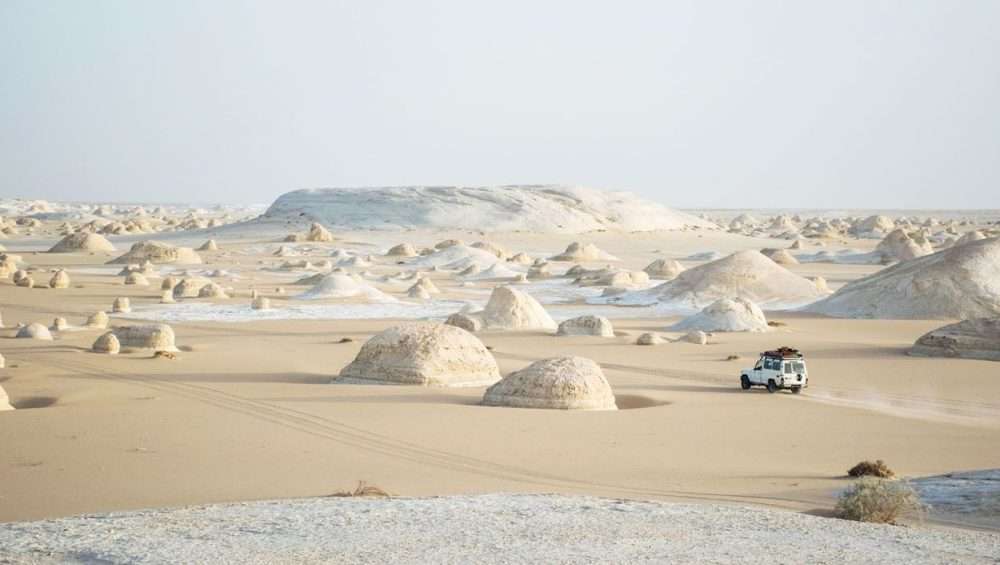
Let’s start with the obvious, though. Because skipping the Sahara would be like going to Italy and ignoring the pasta. The Egyptian desert isn’t just one endless stretch of sand; it’s a surprisingly diverse landscape. The White Desert, for instance, is an otherworldly expanse of chalk formations—ghost-white rock that looks like it belongs on another planet. People camp here under star-splashed skies, bundled up against the cold (yes, cold—nights get surprisingly chilly). It’s peaceful, surreal. The kind of place where time feels slower, and you start noticing things like how your footsteps sound on powdery sand.
A little farther out is the Black Desert, darker and more volcanic in appearance, and then the Great Sand Sea near Siwa, where massive dunes rise like waves on a frozen ocean. Sandboarding is popular out there—basically snowboarding, but on sand, and with a bit more falling over. It’s fun, exhausting, and kind of addictive, once you get the hang of it.
And speaking of Siwa, the Siwa Oasis deserves its own mention. It’s remote—really remote—about 50 km from the Libyan border. Getting there takes some commitment, but that’s half the adventure. Once you arrive, there’s a strange tranquility. Palm groves, salt lakes that shimmer pink and blue depending on the light, and natural springs you can swim in. The locals still speak Siwi, a Berber language, and there’s this sense of old traditions living quietly alongside modern quirks. You might drink tea with someone who’s never left the oasis, while checking your phone’s signal strength out of habit.
Now, not everyone is into deserts. Maybe the idea of hot wind and sand in your shoes sounds like a hard pass. Fair enough. Egypt has water too—and not just the Nile.
Let’s talk Red Sea diving. Specifically, the area around Sharm El Sheikh, Dahab, and Hurghada. This part of Egypt is a diver’s dream. The water is warm, clear, and full of life—colorful coral, reef sharks, sea turtles, the occasional dolphin if you’re lucky. Even if you’re not a diver, the snorkeling is fantastic. One of those moments where you float face-down, barely moving, and just watch. The world below feels busier than the one above. You come up for air and realize you’ve been out there for an hour.
And then there’s Dahab, which deserves special mention. It used to be a sleepy Bedouin village and still sort of feels like one, though tourism has grown. People come to freedive in the Blue Hole, a deep underwater sinkhole that’s famous—and, honestly, a bit infamous too, for the risks involved. But for trained divers, it’s one of the most intense and beautiful sites around. If that sounds like too much adrenaline, just walking along the coast or windsurfing in the lagoon might be more your speed.
Back inland, for those who like a challenge with a spiritual twist, there’s Mount Sinai. It’s a popular trek—more for the experience than the climb itself. Most people do it at night, starting in the early hours so they reach the summit by sunrise. The hike isn’t too technical, but it does get cold at the top. There’s something a bit surreal about joining a quiet line of strangers under the stars, headlamps flickering, everyone half-awake and silently climbing. When the sun finally rises and spills light across the rocky landscape, the sense of stillness is hard to describe. People don’t talk much at the top. They just watch.
Of course, you could also just drift down the Nile on a felucca, those traditional sailboats that have been around for centuries. It’s not extreme or adrenaline-filled, but that’s the point. There’s something about being on the water, no motor, just wind and canvas and maybe a soft splash every now and then. It’s meditative. Sometimes the most memorable adventures are the quiet ones.

One thing that tends to surprise visitors is how many different types of Egypt there are. Yes, it’s mostly desert, but that’s like saying Canada is just forests. There are pockets of green, like Fayoum, which has waterfalls (small ones, but still), and Wadi El Rayan, where people go sandboarding right next to water. There are canyons, too—Coloured Canyon near Nuweiba, with its twisted, vibrant rock formations that almost seem painted. It’s not a long hike, but the textures and shapes are so vivid, the place sticks in your memory.
And then there’s the unexpected stuff. Like horseback riding around the pyramids—not some slow tourist pony ride, but a real gallop if you’re up for it. Or hot air ballooning over Luxor at dawn. You rise slowly while the city below starts to wake up, and the temples and tombs look smaller than you’d expect. It’s peaceful, but also a little nerve-wracking (balloons sway more than you’d think).
So, is Egypt just a historical trip? Not at all. It’s layered. Messy, sometimes. Full of contrast. You can be watching fish dart through coral one day, then sandboard down a dune the next. It’s the kind of place where you get dust on your shoes, sunburn on your nose, and maybe a weird tan line from your snorkeling mask. And somewhere along the way, between the noise and silence, you start to realize the adventure isn’t just about where you go—it’s what shifts inside you while you’re there.