January might not be the first month that comes to mind when you think of Egypt—but honestly, it should be. The country is at its most comfortable then, weather-wise at least. Daytime temperatures hover somewhere around the low 20s Celsius (mid-70s Fahrenheit), and the nights get a bit cooler, especially in places like Cairo or Luxor. You’ll want a light jacket, maybe a scarf. Not because it’s cold-cold, but because it’s just… crisp. In a nice way.
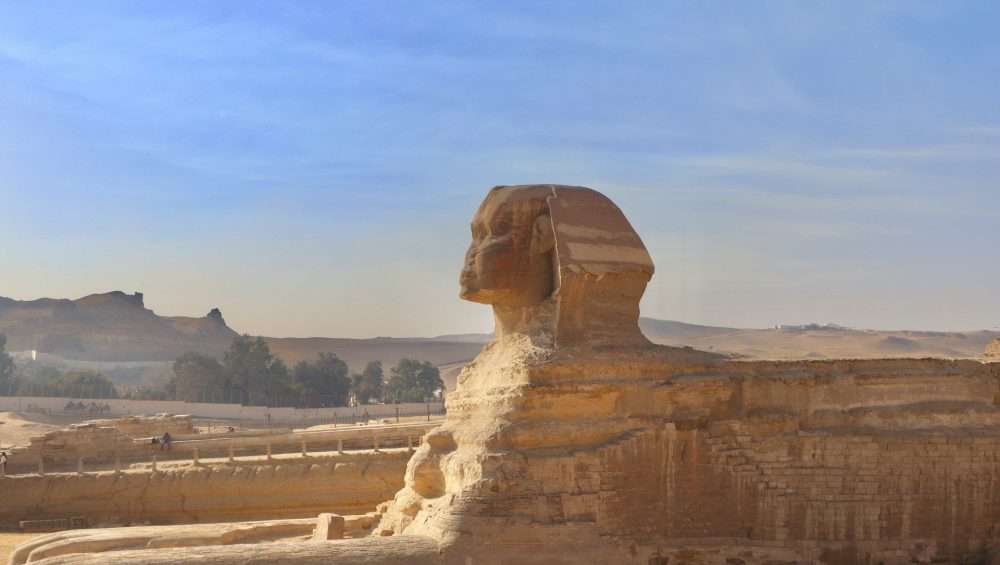
That said, Egypt in January isn’t just about escaping the summer heat. It’s about seeing the country when it breathes a little slower. The crowds at the major tourist spots like the Pyramids of Giza or the Valley of the Kings? Still there—but smaller. Manageable. You can actually hear your thoughts while staring up at the Great Pyramid. Which, if we’re being honest, is half the point of seeing something that old and monumental.
Cairo: Start With Controlled Chaos
Cairo is noisy. It’s always noisy. But in January, the cool air takes some of the edge off. Spend a couple of days here, not just rushing between landmarks but letting yourself drift a little. The Egyptian Museum is undergoing a slow migration to the new Grand Egyptian Museum in Giza—some artifacts have moved, some haven’t, and there’s a strange in-between feeling if you go now. But that kind of adds to the charm. Not everything needs to be polished.
Tahrir Square? It’s quieter these days, but the energy still hums under the surface. Try some koshary from a street vendor or a simple cup of tea in a cramped café with cracked windows. You’ll feel it.
And of course, there’s the Pyramids. You’ve seen a thousand photos, maybe watched a documentary or two, but being there in person? It’s different. They’re bigger, for one. Much bigger. The camel ride clichés are real—but no one tells you how awkward those saddles are. Worth it? Depends on your tolerance for sore thighs and tourist traps.

Luxor and Aswan: Time Slows Down
From Cairo, most travelers fly or take the overnight train down to Luxor. The train sounds romantic, and sometimes it is. Other times it’s a clunky, noisy ride with weird snacks and the occasional mysterious delay. Still, there’s something satisfying about waking up and seeing the Nile slide past your window.
Luxor in January is basically time travel. The air feels ancient. Karnak Temple opens early—go then. Before the tour groups. Before the noise. Just you and the stone and the silence. It’s strange how quiet huge places can feel. The Valley of the Kings is cooler too, temperature-wise, so exploring tombs doesn’t leave you drenched in sweat. Though be warned: the walk to Tutankhamun’s tomb is shorter than expected, and the tomb itself is… well, small. Still, you’re standing where they found a boy-king sealed in gold. That counts for something.
Aswan, further south, is warmer but still pleasant in January. It’s the place where things feel less rushed. Take a felucca ride at sunset. There’s no agenda there—just wind, water, and maybe a local guide who’s half singing and half mumbling facts about Nubian culture.
Abu Simbel is a longer trip—four or five hours each way if you do the early morning convoy. Is it worth it? Yes, but it’s a long day. Pack snacks. And patience. The temples are carved into a cliffside and fronted by massive statues. You’ve probably seen them in photos, but being dwarfed by them in person? It’s the kind of thing that lingers in your head afterward, even if your legs are sore and you forgot sunscreen.
The Red Sea: A Break from Ruins
If you’re getting a little “templed out” (it happens), the Red Sea resorts like Hurghada or Sharm El-Sheikh offer a very different scene. January isn’t peak beach weather—it’s not scorching—but it’s still warm enough to swim or dive, especially with a wetsuit. The coral reefs are unreal. Clear water, bright fish, and that strange calm you only get when you’re floating below the surface.
Dahab, on the Sinai Peninsula, is more laid-back. Backpackers, divers, and a few families on a break from European winters. It’s got just enough infrastructure to be comfortable, without feeling like a mega-resort.
Some people skip this part of Egypt on a first trip, focusing only on history and culture. But giving yourself a few slow days near the sea can be the thing that makes the whole trip feel balanced.
What to Pack and Know
Pack layers. January mornings can be chilly, especially in desert areas. A hoodie and a light jacket should be enough for most days. Don’t forget sunglasses—Egypt is bright even in winter—and comfortable walking shoes. You’ll be on your feet more than you think.
Cash is still king in many places, though cards are accepted in larger hotels and restaurants. Be ready to haggle in markets, but also be okay with walking away. And yes, people will approach you to sell tours or souvenirs. Some are pushy. A firm but polite “la, shukran” (no, thank you) usually does the trick.
Final Thoughts
Egypt in January isn’t picture-perfect. You might hit a patch of wind in the desert, or find a temple under scaffolding. There’s always a bit of unpredictability. But somehow, that’s what makes it work.
You get the sense that Egypt isn’t trying to impress you—it’s just being. Old and layered and sometimes frustrating. But also brilliant, alive, and unforgettable.
And January? It’s when you can see it all without overheating or elbowing your way through crowds. That alone makes it one of the best times to go.