Egypt in January is kind of magical—quiet temples, cooler weather, fewer tourists than in peak months, and just enough mystery in the air to make it feel like you’re somewhere far older than time. But also, it’s not exactly straightforward. The country throws you curveballs, even in its gentlest season. So, if you’re planning a trip to Egypt in January 2024 or 2025, here’s what you’ll want to know before you go.
The Weather (Mostly a Win)
Let’s start with what draws a lot of people to Egypt in January: the weather. It’s cool, dry, and—for the most part—pleasant. Daytime temperatures in Cairo and the Nile Valley hover around 18–22°C (mid-60s to low 70s°F). In Luxor and Aswan, expect slightly warmer days, especially in the afternoon sun, but mornings and evenings? You’ll want a jacket. A real one. Not a light hoodie you tossed in at the last second.
It’s a funny contrast—sunburn during the day, cold fingers at night. And if you’re planning to do any desert excursions, prepare for real chills after dark. A thermal layer wouldn’t be overkill. I once underestimated a night in the White Desert and ended up wrapping myself in three scarves like a tourist burrito.
Also, it might rain in Cairo. Not much—just a few drops now and then—but enough to surprise you. Umbrellas are rare. People either wait it out or walk through it.
Crowds & Costs
January sits just past the peak of the holiday season. That means prices begin to drop ever so slightly after the New Year rush fades, but you’re still in high season territory. Tour groups are definitely still around—especially around major attractions like the Pyramids, Karnak, and Abu Simbel—but it’s not shoulder-to-shoulder. There’s room to breathe.

Booking accommodations ahead of time is still smart, especially in Luxor and Aswan. Nile cruises can fill up quickly too, particularly the mid-range options that strike the right balance between comfort and cost. Luxury is always available… for a price. Budget boats exist too, but standards vary wildly. I once boarded a “budget” cruise that advertised Wi-Fi, only to discover the only working router was locked in the captain’s cabin.
January is also Coptic Christmas season (celebrated on January 7), which gives you a rare cultural window. Churches are lit up, and certain neighborhoods, especially in Cairo, take on a festive tone. It’s subtle, not flashy—Egypt doesn’t overdo it—but you’ll feel the shift if you’re paying attention.
What to Pack
You’ll need layers. Mornings can be chilly, especially if you’re up at dawn for a hot air balloon ride or an early temple visit. Afternoons warm up considerably, and you might even want short sleeves then. But after sunset? You’ll regret not packing that sweater. Or scarf. Or both.
Comfortable shoes are a must. You’ll walk—a lot. Through sand, on stone, up narrow staircases carved 4,000 years ago without today’s sense of symmetry or safety. There’s no real dress code outside of religious sites, but it’s still a conservative culture. Modesty isn’t mandatory, exactly, but dressing respectfully just makes things easier.
A side note: sunglasses. Even in January, the desert sun is blinding, especially against pale stone.
Health and Safety
Egypt is mostly safe for tourists, especially in major tourist zones. Still, things can feel a little chaotic at times—drivers ignore lanes, markets can be intense, and bureaucracy moves at its own pace.
Drink bottled water. Eat at places that look somewhat clean. And don’t brush your teeth with tap water unless you have an iron stomach or a week to spare in your hotel bathroom. Honestly, most of the “travelers’ tummy” tales you hear about Egypt aren’t exaggerated.
Also, travel insurance. Boring but worth mentioning. Just get it. Hospitals in Egypt vary in quality, and private care is better but not free.
Where to Go
If it’s your first time in Egypt, the classic loop makes sense: Cairo → Luxor → Aswan. Maybe with a Nile cruise in between. Each city has its rhythm.
- Cairo is chaos and awe. The Pyramids are what you expect—and not. Giza has modern fast food joints across from millennia-old tombs. The Egyptian Museum is still half-stunning, half in transition to its new home at the Grand Egyptian Museum (maybe open, maybe not, depending on how the next few months go).
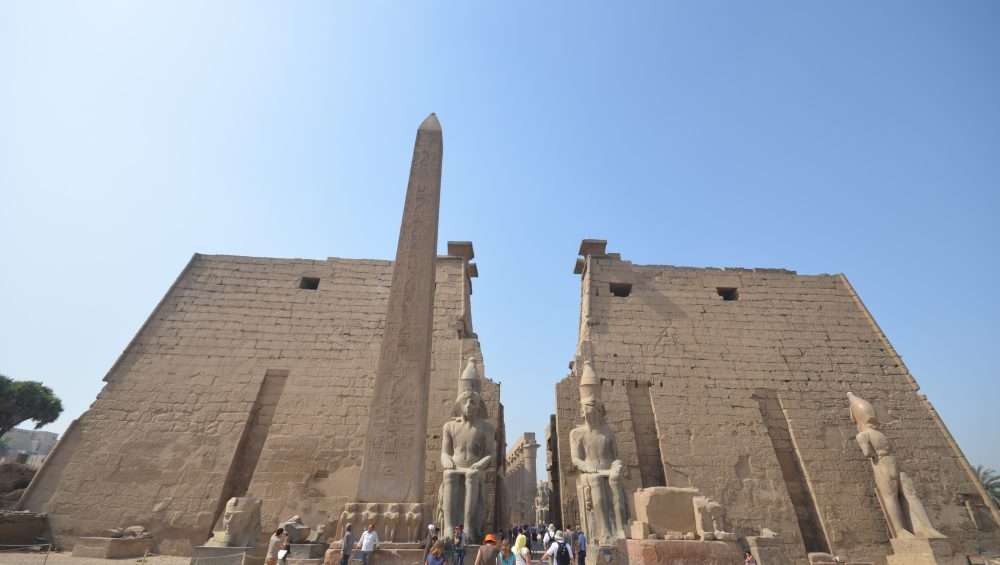
- Luxor is quieter, more focused. Karnak Temple at sunrise? Worth every cold second. Valley of the Kings? Still surreal, though more crowded than you’d guess for January. It’s hard to describe the feeling of standing in a tomb older than Christianity, surrounded by paintings that haven’t faded.
- Aswan is warmer, calmer, and a nice place to just… be. Felucca rides, Nubian villages, lazy afternoons by the river.
If you’re feeling ambitious, Abu Simbel is incredible—but far. You’ll need to either fly or take a pre-dawn convoy. That’s not an exaggeration. Buses leave around 4 AM. You’ll see stars, then temples, then wonder if any of it was real.
A Few Odd but Useful Tips
- Egyptian time isn’t your time. Things run late. Drivers don’t always show up. Be patient. Or mildly annoyed. Either reaction is valid.
- Tipping (or baksheesh) is everywhere. Keep small bills handy. For bathroom attendants, luggage help, quick directions—even sometimes just for someone watching your shoes while you pray.
- Bring a pen. You’ll need one for visa forms at the airport. No one ever has one. I’ve seen entire planes of tourists passing around a single ballpoint.
- Arabic helps. Even a few words. “Shukran” (thank you) goes a long way.
The Bottom Line
Egypt in January is one of the best travel choices you can make if you’re after history, adventure, and a bit of winter sun without the scorching heat. It’s not flawless. It’s occasionally frustrating. But it’s also endlessly fascinating—old in ways that challenge your sense of time, warm in ways that aren’t just about temperature, and alive with contrast.
You won’t leave with clean narratives. That’s part of the charm. You’ll remember the noise, the quiet, the sand in your shoes, and that moment—somewhere between Cairo traffic and a hidden tomb—where it all just clicks.
And that’s enough to make you want to go back.