Four days in Egypt isn’t much. Not when you’re talking about a country that spans millennia of history, deserts that roll out endlessly, and cities so full of life they barely pause to breathe. But still—four days can be enough. Enough to glimpse the weight of the past, the rhythm of the present, and maybe, if you’re lucky, enough to make you want to come back.
This itinerary isn’t meant to cover everything. It can’t. What it can do is guide you through a condensed, meaningful trip—a taste of Egypt’s greatest hits, with space for a few quieter, unexpected moments too.
Day 1: Cairo – Arrival and Ancient Wonders
Most journeys start in Cairo. It’s not just the capital—it’s a city that doesn’t so much welcome you as sweep you up and toss you into the current. It’s noisy, busy, sometimes overwhelming, but also strangely magnetic.
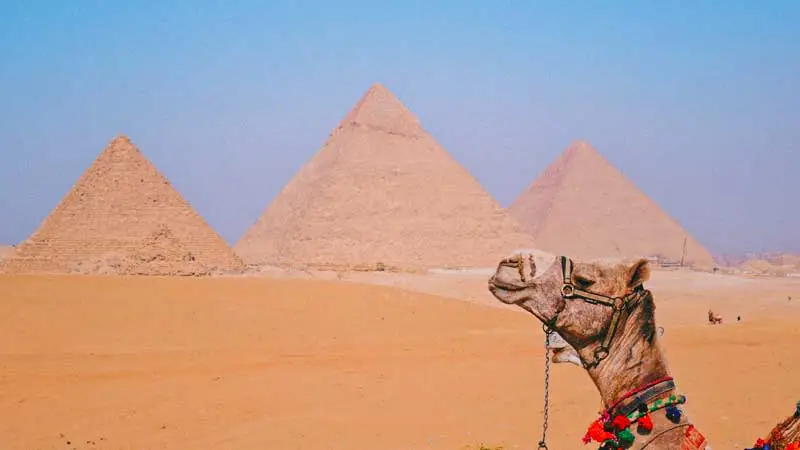
If you arrive in the morning, you can head straight to the Giza Plateau. The Great Pyramids are just outside the city, but it feels like another world. Yes, they’re every bit as impressive as you’ve heard. Maybe even more so. They don’t look real at first. Then you get closer, and they loom—massive, ancient, impossible. The Sphinx is nearby, gazing into the distance like it’s seen everything and won’t tell.
Some travelers choose to ride camels here. It’s an iconic image, sure. But it’s worth being thoughtful—some experiences are better observed than participated in. If you go for it, ask your guide about responsible providers.
After the pyramids, stop for a late lunch nearby, then visit the Egyptian Museum back in the city. It’s dusty and chaotic, yes, but incredible. Artifacts spill from every corner, many labeled, some not. It’s like wandering into the attic of the ancient world. If the new Grand Egyptian Museum is open when you’re reading this—go. Either way, the gold mask of Tutankhamun tends to leave people speechless. It really is that beautiful.
By evening, find a rooftop spot with a view of the city lights. Cairo is never quiet, but it does shift at night—slower, almost softer, in its own way.
Day 2: Cairo to Luxor – Temples, Tombs, and the Timeless Nile
Catch an early flight to Luxor. It’s quick—about an hour—and the change of pace is immediate. Luxor feels older, even though it’s just as alive. The past isn’t buried here; it’s everywhere, peeking through palm trees and stitched into everyday life.
Start with the Karnak Temple complex. It’s massive—almost overwhelming in scale. The Great Hypostyle Hall, with its forest of carved stone columns, might be one of the most photographable places in Egypt. But try not to just look through your camera. Stand still for a moment. Let the weight of it all sink in.
After Karnak, head to Luxor Temple, which is smaller but just as striking. Go in the late afternoon or evening if you can—the light turns golden and the mood shifts. It feels more like a living space than a ruin, still holding echoes of prayers, processions, and power.
Depending on your energy (and the heat), take a short felucca ride on the Nile. The river is quiet here, almost serene. You’ll float past banana groves and sleepy villages. Sometimes it’s the stillness that sticks with you the most.

Day 3: Luxor’s West Bank – Valley of the Kings and Queen Hatshepsut
Day three starts early. You’ll want to beat the sun, especially if you’re traveling in warmer months. Head across the Nile to the West Bank, home to the Valley of the Kings. This is where pharaohs were buried, hidden in tombs cut deep into the rock.
Some of the tombs are elaborate, with walls still covered in vibrant hieroglyphs that haven’t faded despite thousands of years. King Tutankhamun’s tomb is the most famous—small, but personal. You can almost feel the boy-king’s presence, even with the crowds.
Afterward, visit the mortuary temple of Hatshepsut. It’s different from other temples—more modern in appearance, almost minimalist. Her story is fascinating: a woman who ruled as pharaoh, against tradition, and whose legacy was nearly erased. There’s something powerful about standing in the space she once commanded.
Before heading back, stop at the Colossi of Memnon—two towering statues standing alone in a field. They’re weathered and cracked, but still dignified. And always watching.
You’ll be tired by now, but fulfilled. Have a slow evening. Luxor has quiet restaurants by the river where you can relax, think, or just let your mind drift. You’ve covered a lot of ground—literally and historically.
Day 4: Return to Cairo or Optional Side Trip
This last day depends on your flight schedule and preferences. Some travelers return to Cairo early to catch an international flight. Others use the day for a final excursion.
If you have a few hours in Cairo again, consider the Islamic or Coptic parts of the city. Al-Azhar Mosque or the Hanging Church—both offer a glimpse into other layers of Egypt’s long, complicated history. If you prefer something outdoors, Al-Azhar Park offers green space and a panoramic view of Cairo’s skyline. It’s a surprising contrast to the dust and density of the city.
Or—and this is something to consider—skip Cairo entirely on your return and head to the Red Sea for a day in Hurghada. Flights from Luxor are available, and while it’s not ideal for just one night, if you’re craving a shift in energy, turquoise waters and soft sand are a tempting final note.