

Ancient Egyptian Coins : A Fascinating History
Ancient Egyptian Coins, a civilization renowned for its monumental achievements in architecture, art, and culture, also has a lesser-known but equally intriguing story in its monetary history. The Ancient Egyptians primarily relied on a barter system and weighed commodities like gold and grain. However, the concept of coinage eventually made its way into Egyptian society. This article explores the fascinating evolution of Ancient Egyptian coins, their role in the economy, and their enduring legacy.
The Introduction of Coinage in Egypt
Before coins, the Ancient Egyptians used a barter system supplemented by a standardized weight unit called the deben. This unit measured valuables like gold, silver, and copper. Coinage began influencing Egyptian trade during the Late Period, particularly under the Persian Empire (circa 525 BCE). The Persians introduced silver and gold coins, such as the daric and siglos, into the economy.
When Alexander the Great conquered Egypt in 332 BCE, the region became part of the Hellenistic world. Coinage gained prominence under his rule. The Ptolemaic dynasty, which succeeded Alexander, issued various coins that combined Greek and Egyptian symbols. These coins reflected the fusion of the two cultures.
The Unique Characteristics of Ptolemaic Coins
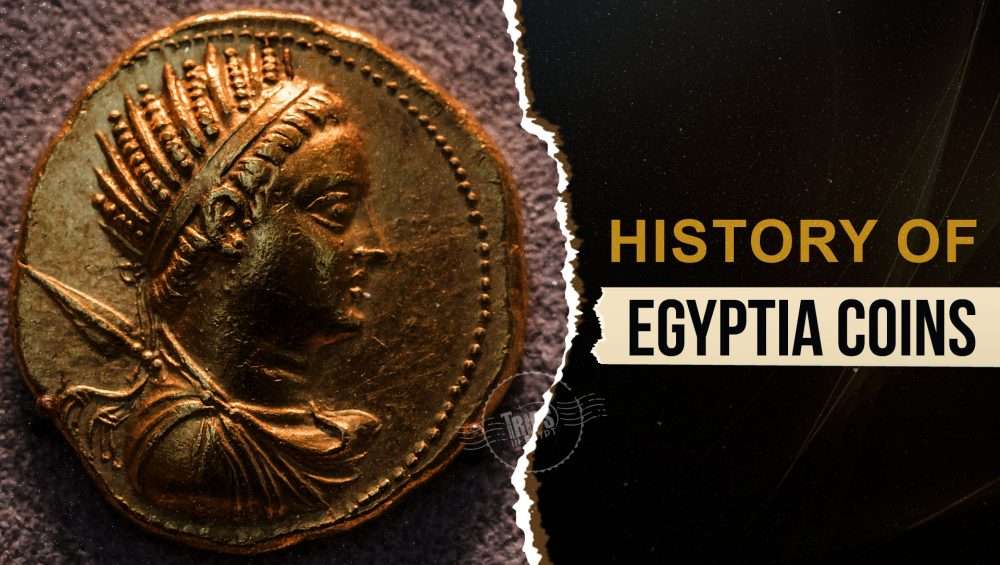
The Ptolemaic rulers minted coins in gold, silver, and bronze. These coins often bore the portraits of Ptolemaic kings and queens, including the famous Cleopatra VII. They also featured deities like Zeus, Isis, and Horus, emphasizing the rulers’ connection to divine authority.
One distinguishing feature of Ptolemaic coins was their weight system. Unlike other Greek coinage, which adhered to the Attic standard, the Ptolemies introduced their own standard. This system produced heavier coins, underscoring their economic independence and Egypt’s significant role in Mediterranean trade.
Roman Influence and the Decline of Egyptian Coinage
When Egypt became a Roman province in 30 BCE, Roman coins replaced Ptolemaic coinage. The Roman denarius and aureus became widely circulated. However, localized coins continued to be minted in Alexandria. These Alexandrian coins often featured Greek inscriptions and symbols tied to Egyptian culture, such as the Nile River and the phoenix.
Over time, coins became more widespread in Egypt, facilitating trade and taxation. As the Roman Empire’s power waned, the production of distinctive Egyptian coinage declined.
The Legacy of Ancient Egyptian Coins
Today, Ancient Egyptian coins are highly sought after by collectors and historians. They provide valuable insights into the political, cultural, and economic landscapes of the time. Coins bearing the likeness of Cleopatra VII or depictions of ancient deities offer a tangible connection to the past. They showcase the artistry and symbolism that defined an era.
Conclusion
The story of Ancient Egyptian coins reflects a dynamic interplay of tradition and innovation. From the barter-based economy of the early dynasties to the coinage introduced under Persian, Greek, and Roman influences, Egyptian monetary history is a testament to the civilization’s adaptability and cultural integration. These coins not only facilitated trade but also served as enduring symbols of power, religion, and artistry. Their legacy continues to captivate the world.
Check Our Tours to Egypt
The history of ancient Egypt is very vast and full of countless details & wonders. Don’t miss the chance to explore the incredible beauty of the ancient Egyptian civilization by boarding a Nile cruise on its magic life stream and discover all the hidden secrets in the magical destinations of Cairo, Alexandria, Luxor, and Aswan.