When most people think of Egypt, they picture pyramids, deserts, and maybe the Nile winding through ancient cities. Fair enough—those are iconic for a reason. But there’s another side to Egypt that doesn’t get nearly enough attention: its beaches.
Yes, Egypt has beaches. And not just decent ones. Some of them are downright stunning.
Let’s start with the basics. Egypt’s coastline stretches along both the Mediterranean Sea and the Red Sea, each offering very different vibes. The Mediterranean side feels more laid-back, more lived-in. It’s the kind of place where local families head for a weekend escape. The Red Sea? That’s your postcard stuff—turquoise water, colorful coral reefs, and a mix of luxury resorts and dive lodges. It’s where things start to feel a bit surreal, in the best way.
Mediterranean Coast: Nostalgic, Breezy, a Little Understated
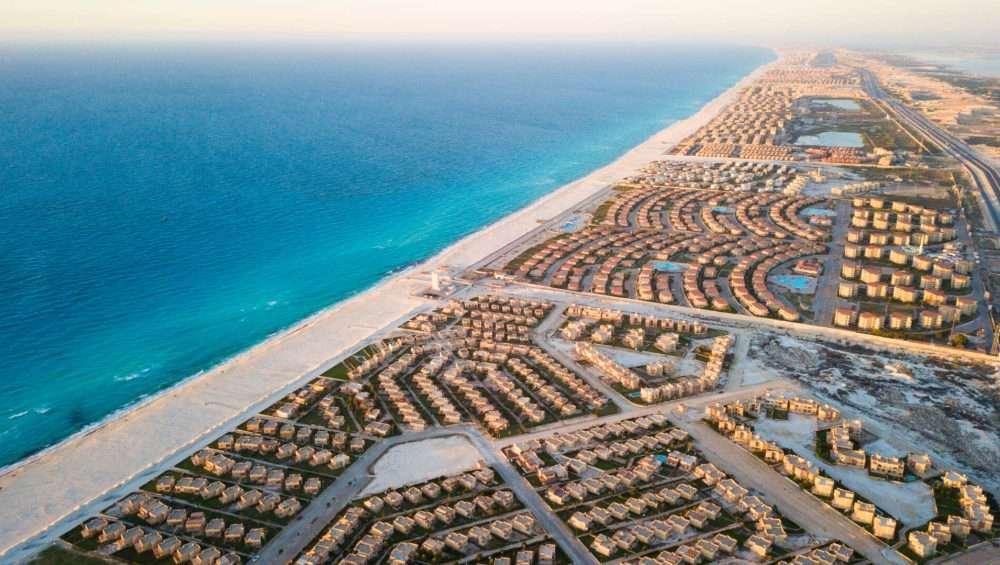
The northern coast, also called the “North Coast” or “Sahel” (especially in summer), runs west from Alexandria toward Libya. The beaches here have a softer, more nostalgic charm. The sea is a deeper blue, the sand fine and pale. And in places like Marsa Matrouh or Sidi Abdel Rahman, the water is shockingly clear—something you might not expect until you’re actually standing ankle-deep in it.
But the Mediterranean coast isn’t quite as polished as the Red Sea resorts. Some areas are still underdeveloped or reserved for seasonal crowds. That can be part of the appeal though. It feels a bit more authentic, less curated. Like you’re getting a peek at the quieter side of Egyptian beach culture.
Also, a quick note: during peak summer months, some parts of Sahel can feel like one big music festival. Lots of people, lots of energy. If you’re after solitude, maybe aim for early June or September instead.

Red Sea Coast: Dazzling Waters and World-Class Diving
Then there’s the Red Sea, which is practically another world. This coast stretches from Suez all the way down to the border with Sudan, and the landscapes are often dramatic—desert meeting sea, mountains rising behind you, coral reefs just offshore. It’s no wonder divers flock here from around the world.
Sharm El-Sheikh is probably the most famous spot, and for good reason. It’s got that classic resort-town feel—plenty of activities, a reliable sun-soaked climate, and easy access to Ras Mohammed National Park, one of the most beautiful dive sites anywhere. That said, it can get a little commercial. If you’re more into quiet escapes, you might look at Dahab.
Dahab is smaller, more relaxed. There’s a slightly hippie-ish vibe that’s hard to fake. People come here to dive, to windsurf, to sit on cushions by the sea and eat slow meals. It’s the kind of place where you end up staying longer than you planned. A friend of mine visited for four days and ended up staying a month. That sort of place.
Further south, Marsa Alam offers some of the most pristine waters in Egypt. It’s less developed than Sharm or Hurghada, but that’s part of the magic. You’ll find incredible coral reefs, dolphin houses, and even the chance to spot dugongs if you’re lucky. It’s quieter here—not much nightlife, fewer crowds. Just sea and sky.
What About the Beaches Themselves?
The sand varies. On the Red Sea, it’s usually golden or even reddish, and can be coarse in some spots. On the Mediterranean side, especially in places like Agiba Beach near Matrouh, the sand is powdery and almost white.
Swimming conditions can vary too. The Mediterranean gets a bit choppy, especially in the winter. The Red Sea, on the other hand, is generally calm and clear—almost eerily so. Perfect for snorkeling, even right off the beach in many places.
There’s a small downside worth mentioning: not all beaches in Egypt are public, and not all public beaches are well-maintained. Sometimes, access is restricted to hotel guests. Other times, you’ll need to pay a small fee to enter a “day-use” beach. It’s not a huge issue, but it’s something to be aware of.
A Few Quick Picks
If you’re planning a trip and wondering where to start, here are a few standout spots:
- Agiba Beach (near Marsa Matrouh): A hidden cove with a name that literally means “miracle.” It’s beautiful, but not super easy to reach.
- El Gouna (near Hurghada): A resort town built with style—think lagoons, modern design, and a pretty international crowd. Kind of fancy, but not in a snobby way.
- Blue Hole (Dahab): Famous with divers, infamous for its danger. You can still swim and snorkel safely along the reef’s edge.
- Soma Bay: A quieter alternative to Hurghada with high-end resorts and excellent kite-surfing.
- Fjord Bay (Taba): A photogenic curve of bright blue sea near the Sinai border. Not many facilities, but the view is worth it.
So, Should You Go?
If you’re expecting tropical greenery and coconut palms, Egypt’s beaches might not tick all your boxes. This is more rugged beauty. Sun-bleached. Sometimes raw. And somehow, that makes the blue water look even bluer.
There’s a sense of discovery in Egyptian beach towns—like they haven’t all been polished down to fit a brochure. Some of the charm is in the imperfections: the surprise of finding a tiny fish restaurant with no name, or swimming in a quiet cove you didn’t know existed two hours earlier.
In the end, Egypt’s beaches aren’t trying to compete with Thailand or the Caribbean. They’re different. They don’t need to be anything else.