Title: Exploring the Nile River: A Comprehensive Map and Guide
Introduction
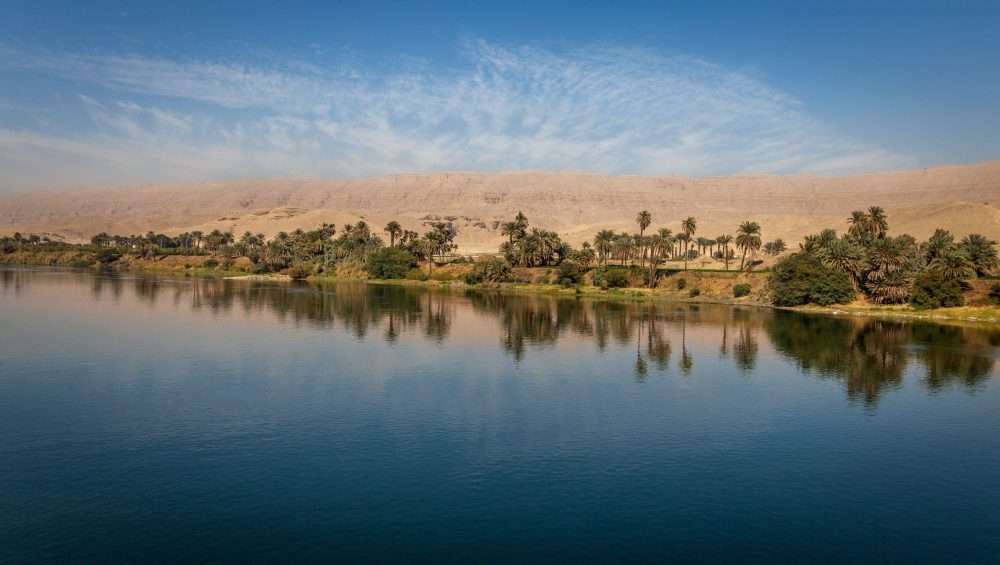
The Nile River, the longest river in the world, stretches over 6,650 km (4,130 miles), flowing through eleven countries before emptying into the Mediterranean Sea. This guide provides a detailed map and insights into its course, historical significance, and major landmarks.
The Course of the Nile River
The Nile consists of two main tributaries:
- White Nile: Originates in East Africa, primarily from Lake Victoria.
- Blue Nile: Begins in Ethiopia’s highlands and contributes the majority of the Nile’s water volume.
The river flows through countries including Uganda, Sudan, and Egypt, playing a vital role in agriculture, transportation, and civilization.
Historical Significance
The Nile River has been the lifeblood of ancient civilizations, particularly Ancient Egypt. The fertile floodplains allowed the growth of one of the world’s earliest and most influential cultures. Today, the Nile remains central to the region’s economy and sustains millions of people.
Key Landmarks Along the Nile
- Lake Victoria: The primary source of the White Nile.
- Murchison Falls (Uganda): A stunning waterfall along the Nile’s course.
- Khartoum, Sudan: The meeting point of the White and Blue Nile.
- Luxor & Aswan (Egypt): Home to historic temples and the famous Nile cruises.
- Nile Delta: A fertile region where the river meets the Mediterranean.
Interactive Nile River Map
Explore our interactive map to visualize the Nile River’s journey. This map includes:
- The course of the White and Blue Nile
- Key tributaries and cities
- Major historical and natural landmarks
- Zoom and pan functionality
- Clickable markers with detailed information
(Embed Interactive Map Here)
Ecological and Economic Importance
The Nile supports agriculture, fishing, and hydropower. However, water disputes and environmental challenges pose threats to its future. Conservation efforts and international cooperation are crucial to preserving this vital resource.
Conclusion
Understanding the Nile River’s geography, history, and significance enhances our appreciation of its role in shaping civilizations. Explore our interactive map for more insights into the world’s most famous river!
8-Recommended to Experience Nile River Cruise!
As mentioned before, the ancient Egyptians settled down and erected their civilization on the banks of the Nile River. Thus, most of Egypt’s historical destinations exist on the Nile shores, especially in Upper Egypt. Accordingly, travel agencies in Egypt and trip planners in Egypt tend to make use of the phenomenal geographic accessibility of the Nile and its remarkable historical attraction across its banks and its proximity to make it a part of their Egypt vacation packages in and around Luxor and Aswan.
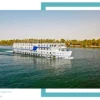
This awesome waterway is the best way to witness many more of the timeless pharaonic temples and tombs, Karnak Temples, Queen Hatshepsut Temple, Valley of the Kings, Abu Simbel Temple, and the three majestic temples of Philae, Edfu, and Kom Ombo which directly overlooks the Nile stream. Onboard the Nile cruise, travelers can do many activities, have fresh food and drinks, listen to music and dance, relax on deluxe swimming pools, and also massage sessions are available with the best service ever.
They add an option to see Luxor and Aswan’s spectacular landmarks on board Nile river cruise where everyone will get to discover both ancient and modern Egypt, so you can check our Nile cruises below and book the best suitable one for you.