
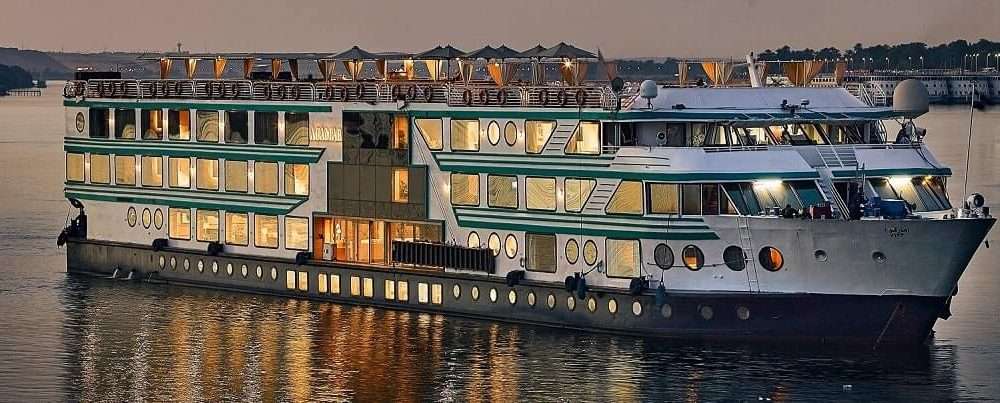
The History of the Nile River: Lifeblood of Ancient and Modern Civilizations
The Nile River, the longest river in the world, has been a cornerstone of human civilization for thousands of years. Spanning over 6,650 kilometers, it flows northward through 11 countries, including Egypt, Sudan, Ethiopia, and Uganda, before emptying into the Mediterranean Sea. The Nile’s historical significance is unparalleled, influencing the rise of ancient empires, agricultural innovations, and cultural developments.
The Nile River in Ancient Egypt
The Nile played a pivotal role in the development of Ancient Egypt, often referred to as the “Gift of the Nile.” Its annual flooding deposited nutrient-rich silt along its banks, making the surrounding land extraordinarily fertile. This natural phenomenon allowed ancient Egyptians to cultivate crops such as wheat, barley, and flax, supporting a flourishing agrarian society.
The river also served as a vital transportation route, enabling trade and communication between Upper and Lower Egypt. The papyrus plant, which grew along its banks, was used to produce paper, further advancing Egyptian culture and governance.
Religiously, the Nile was revered as a divine entity. Deities like Hapi, the god of the annual floods, and Osiris, associated with the river’s life-giving properties, were central to Egyptian mythology. Temples and monuments, including the pyramids of Giza, were constructed near the Nile, emphasizing its spiritual and practical significance.
The Nile and the Kingdoms of Nubia
South of Egypt, the Nile nourished the Kingdoms of Nubia, such as Kush and Meroe, which thrived between 2000 BCE and 350 CE. These civilizations utilized the river for agriculture, gold mining, and as a trade corridor, linking sub-Saharan Africa with the Mediterranean and the Middle East. The cultural and political exchanges between Nubia and Egypt shaped the historical trajectory of both regions.
The Nile’s Role in the Islamic and Colonial Eras
During the Islamic Golden Age, the Nile became a vital artery for expanding trade networks across Africa, the Middle East, and Europe. Cities like Cairo grew into major economic and cultural hubs, benefiting from their proximity to the river.
In the 19th and 20th centuries, colonial powers vied for control over the Nile, recognizing its strategic and economic importance. The construction of the Aswan Low Dam in 1902 and later the Aswan High Dam in the 1960s marked a turning point in the Nile’s modern history, regulating its flow and providing hydroelectric power but also causing environmental and social disruptions.
The Nile in Modern Times
Today, the Nile remains a vital resource for millions of people. It supports agriculture, supplies drinking water, and generates electricity. However, it is also a source of geopolitical tension, particularly with the construction of the Grand Ethiopian Renaissance Dam (GERD). This project has raised concerns over water rights and distribution among the Nile Basin countries.
Efforts to sustainably manage the Nile are ongoing, with international agreements and regional cooperation playing key roles in ensuring its future.
Conclusion
The history of the Nile River is a testament to its enduring significance as a cradle of civilization. From ancient Egypt to modern geopolitics, the Nile has shaped societies and supported human progress for millennia. Its waters continue to sustain life, culture, and economies, making its preservation a priority for generations to come.