
Five Important Facts About Ancient Egyptian Civilization
Ancient Egypt, one of the world’s oldest and most fascinating civilizations, thrived along the Nile River for over 3,000 years. Its remarkable achievements in architecture, culture, and governance continue to captivate historians and tourists alike. Here are five essential facts about Ancient Egyptian civilization:
1. The Role of the Nile River
The Nile River was the lifeline of Ancient Egypt, providing fertile soil for agriculture through its annual floods. This “Gift of the Nile” enabled the civilization to grow crops like wheat and barley, which sustained the population and supported trade. Without the Nile, Egypt’s monumental achievements would have been impossible.
2. Pyramids and Monumental Architecture
The Pyramids of Giza, among the Seven Wonders of the Ancient World, showcase the Egyptians’ advanced engineering and architectural skills. These structures, built as tombs for pharaohs, symbolize their beliefs in the afterlife. Other impressive monuments include the Great Sphinx and the temples of Luxor and Karnak.
3. Hieroglyphic Writing System
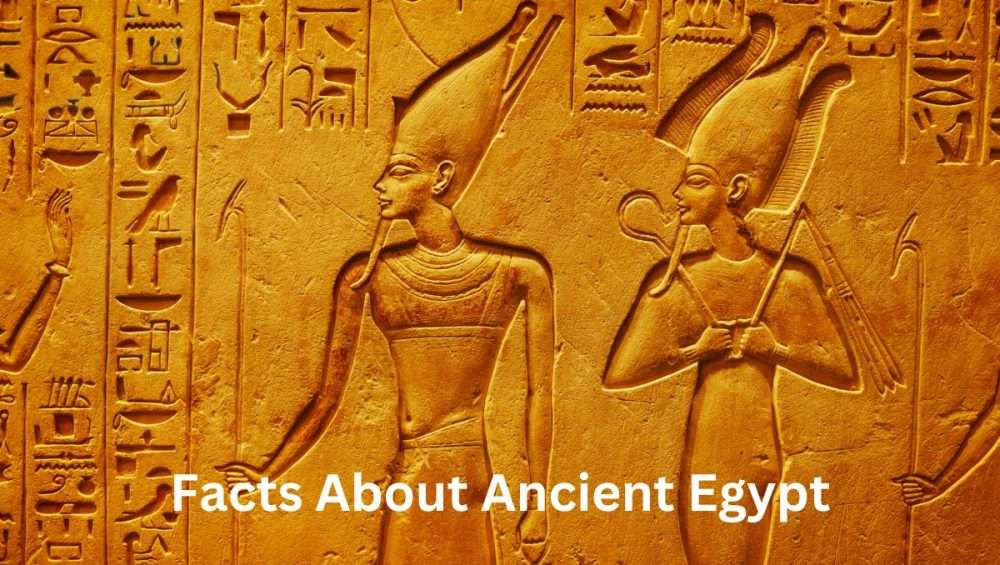
The Ancient Egyptians developed one of the earliest writing systems: hieroglyphics. This intricate script, carved on monuments and papyrus scrolls, allowed them to document religious texts, trade records, and historical events. The Rosetta Stone was key to deciphering this lost language.
4. Advanced Medicine and Science
Egyptian physicians were renowned for their advanced medical knowledge. They performed surgeries, used herbal remedies, and documented medical practices on papyrus texts. Their expertise in astronomy and mathematics was also critical in creating the Egyptian calendar, which guided agricultural activities.
5. Religious Beliefs and the Afterlife
Religion was central to Ancient Egyptian life. They worshiped a pantheon of gods, including Ra (the Sun God), Osiris (the God of the Afterlife), and Isis (the Goddess of Magic). The elaborate mummification process reflected their strong belief in life after death, ensuring that the deceased were prepared for their journey to the afterlife.
Conclusion
The Ancient Egyptian civilization’s achievements in agriculture, architecture, writing, science, and religion have left an enduring legacy. Their contributions shaped human history and continue to inspire awe in modern times.