When Was the Luxor Hotel Built?
Short answer: The Luxor Hotel & Casino in Las Vegas was built in 1992–1993 and officially opened on October 15, 1993.
If you’re targeting the search query “when was the Luxor Hotel built”, here’s a comprehensive, SEO-friendly article that answers the question directly, then expands with useful details about construction, costs, architecture, milestones, and FAQs to capture long-tail traffic.
Quick Facts at a Glance
-
Groundbreaking: 1992
-
Construction completed: 1993
-
Grand opening: October 15, 1993
-
Initial cost: Approximately $375 million
-
Original theme: Ancient Egyptian (pyramid + Sphinx)
-
Ubicación: South end of the Las Vegas Strip, Nevada, USA
Why People Ask “When Was the Luxor Hotel Built?”
Searchers typing “when was the Luxor Hotel built” usually want a precise date and a bit of context. The Luxor’s iconic glass pyramid and towering light beam make it one of the Strip’s most recognizable resorts, so confirming the 1993 opening and learning how the project came together helps travelers, students, and Vegas enthusiasts alike.
A Short History: From Blueprint to Black Pyramid
Concept and Design
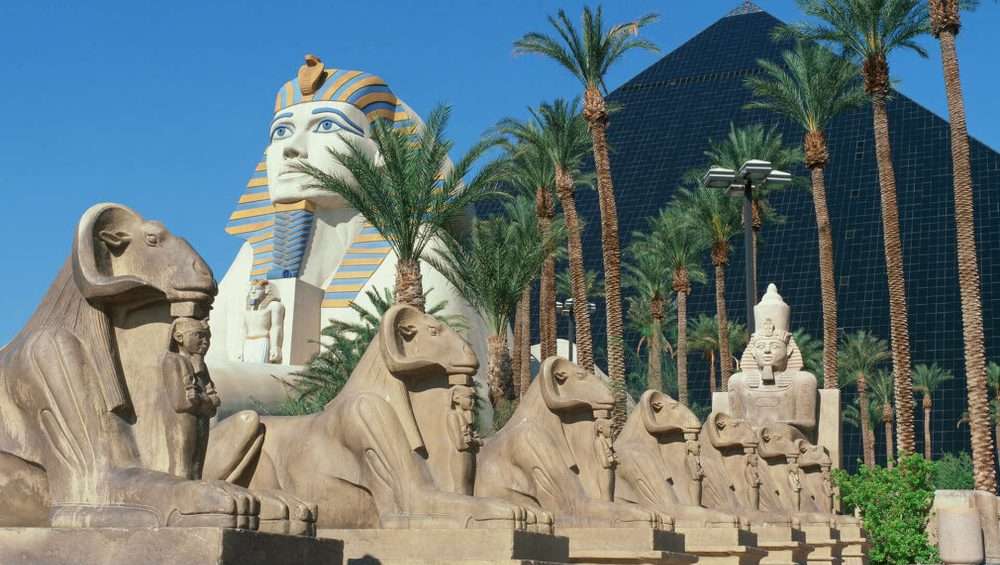
In the early 1990s, Las Vegas embraced immersive, themed mega-resorts. The Luxor’s developers leaned into El Antiguo Egipto, choosing a dramatic 30-story glass pyramid as the centerpiece, paired with a massive Esfinge fronting the Strip. The pyramid wasn’t just décor—it housed the hotel’s main atrium, one of the largest in the world at the time, and defined the property’s skyline silhouette.
Construction Timeline (1992–1993)
-
1992: Site preparation and foundation work begin at the south Strip.
-
1992–1993: The steel framework and sloped glass façade rise rapidly, a feat of engineering due to the pyramid’s geometry and the need to accommodate thousands of rooms along the structure’s incline.
-
Mid-1993: Installation of elevators (including the famous inclinators, which travel at an angle), interior fit-out, and systems testing.
-
October 15, 1993: Luxor officially opens to the public, instantly becoming a head-turner on the Strip.
Opening Day Significance
At its debut, Luxor symbolized the 1990s mega-resort boom—ambitious, themed, and built to entertain. The beam of light from the pyramid’s apex, often called the Luxor Sky Beam, became a navigational landmark visible from miles away on clear nights.
Architecture & Engineering Highlights
The Pyramid
-
Form factor: A true pyramid shape with dark glass panels that reflect the desert sun by day and shimmer at night.
-
Interior atrium: Vast, open, and originally ringed by themed attractions, restaurants, and shows that leaned heavily into the Egyptian motif.
-
Inclined elevators: El inclinators move guests diagonally along the pyramid’s sides—an engineering solution unique to this design.
The Sphinx and Exterior Detailing
-
The entrance Sphinx complements the pyramid with an instantly recognizable photo op. Early marketing paired the duo to deliver a “time-travel” feeling—quintessential 90s Las Vegas.
Cost, Size, and Early Expansion
Development Budget
El construction cost hovered around $375 million at opening—significant in 1993 and competitive with other mega-projects of the era. That budget covered the structural steel, advanced lighting systems, elaborate theming, guest rooms, gaming areas, and the iconic beam.
Rapid Growth
Demand on the Strip prompted additions and renovations over the years. While the core pyramid stayed, additional towers and refreshed interiors increased room count and modernized amenities. The property evolved from a purely themed experience to a more contemporary resort while retaining the pyramid identity that guests recognize.
Evolution of the Theme
The Early Years (1993–mid-2000s)
The original Luxor leaned hard into El Antiguo Egipto—from décor and entertainment to signage and uniforms. Attractions and exhibits amplified the theme, making the interior feel like a playful museum-meets-resort.
Modernization (mid-2000s–present)
As trends shifted, the Luxor softened some overt theming in favor of sleek, modern interiors, updated restaurants, nightlife options, and world-class entertainment residencies. Even so, the pyramid silhouette y Esfinge remain the brand’s signature, preserving the answer to “when was the Luxor Hotel built” as part of Las Vegas history—1993, the year the black pyramid joined the Strip.
Why the Luxor Still Matters
-
Icon status: The pyramid is an instant Vegas identifier in photos and movies.
-
Engineering interest: Few hotels operate with angled elevators and a cavernous central atrium.
-
Search relevance: Queries like “when was the Luxor Hotel built” continue to trend thanks to the property’s unique look and ongoing entertainment lineup.
FAQ: Capturing Long-Tail Searches
When was the Luxor Hotel built?
The Luxor Hotel & Casino was built in 1992–1993 y opened on October 15, 1993.
How long did construction take?
Roughly one year of rapid construction transformed the site into a fully operational resort by October 1993.
What is the Luxor made of?
The pyramid uses a steel framework clad with dark glass panels. Inside, a vast atrium organizes rooms, gaming, and entertainment around the pyramid’s core.
Why is there a pyramid in Las Vegas?
In the 1990s, themed mega-resorts dominated the Strip. Developers chose El Antiguo Egipto to stand out, delivering a pyramid + Sphinx combo that became a marketing home run.
What’s the bright light on top?
El Luxor Sky Beam is a powerful array of lights at the pyramid’s apex, creating a visible column of light that has become one of Las Vegas’s most recognizable features.
Did Luxor change its theme?
Yes. While the 1993 opening emphasized Egyptian theming, later renovations modernized the interiors and amenities. The pyramid and Sphinx still define the resort’s exterior identity.
Final Takeaway
If you’re here for the exact date, the Luxor Hotel was built in 1992–1993 and opened on October 15, 1993. That single fact fuels the search interest behind “when was the Luxor Hotel built,” but the story behind the pyramid—its bold 90s theming, daring engineering, and enduring skyline presence—keeps the Luxor relevant long after its grand opening.
Ready to experience the magic of Luxor? Book your Luxor tour now and make your trip unforgettable.