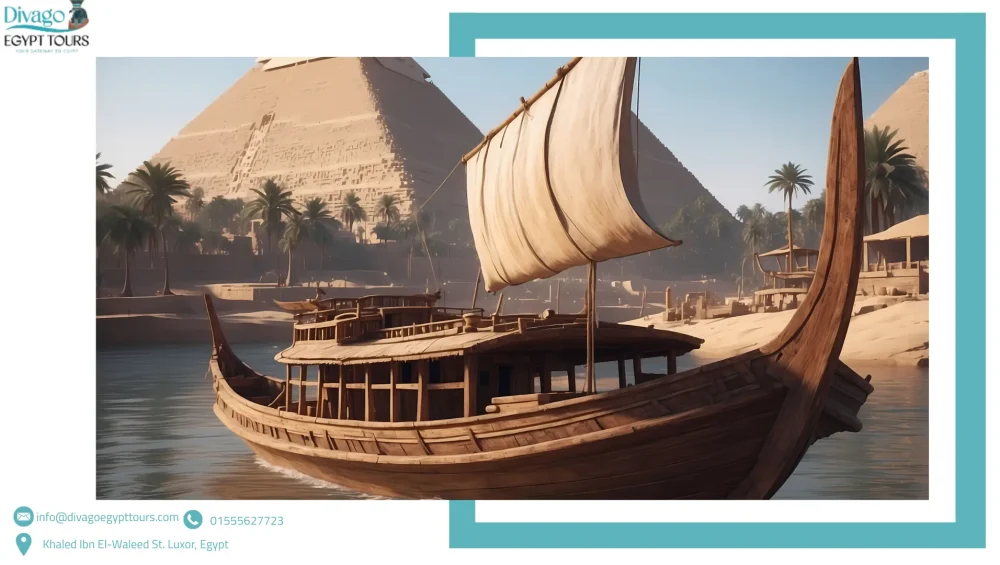
Why everyone asks about the Nile cruise itinerary? Most travelers searching for a Nile cruise itinerary aren’t really looking for a strict day-by-day schedule. What they’re actually seeking—often without realizing it—is clarity and confidence. Confidence that the route they choose won’t feel rushed, repetitive, or out of sync with how they genuinely like to travel—especially when comparing different Egipto tours or bundled Paquetes turísticos egipto.
The truth is, almost all Nile cruises visit the same iconic temples between Luxor and Aswan. Whether the cruise is part of a larger tour or combined with guided Egipto excursiones de un día, the real difference isn’t ¿ you see—it’s how the journey unfolds. Pace, direction, and flow shape the experience far more than surface details.
That’s why choosing the right itinerary matters more than choosing the vessel or package itself. When the route fits your travel style, the journey feels natural and immersive. When it doesn’t, even the most famous sights can feel hurried and disconnected—no matter how polished the tour appears.

What a Nile cruise itinerary really includes
At its core, every classic nile cruise itinerary is built around two anchors: Luxor and Aswan. These cities frame the journey and connect the most important temples of Upper Egypt. The cruise itself functions as a floating hotel, meaning you unpack once while the scenery—and history—comes to you.
An itinerary isn’t just a schedule—it’s the structure that determines how often you move, how long you stay docked, and how much time you actually spend absorbing each place rather than rushing through it. Most itineraries balance guided visits with sailing time and onboard rest, but the real variable is pace. Some prioritize efficiency and highlights, while others leave room for slower mornings and longer stretches on the river.
Luxor to Aswan vs Aswan to Luxor: what’s the difference?
El Nile Cruise Luxor Aswan route works in both directions, but the experience can feel surprisingly different. Starting in Luxor often feels intense and dramatic—temples are massive, schedules are full, and the historical density is high. Ending in Aswan, by contrast, brings a softer close with calmer landscapes and a slower atmosphere.
Travelers who start in Luxor often describe the experience as front-loaded—intense, immersive, and visually overwhelming—while those who end there feel the journey builds toward a historical crescendo. Beginning in Aswan offers the opposite arc: the journey eases you in, gradually building toward Luxor’s grand finale. For first-time visitors, both routes work well; the choice usually comes down to flight timing and whether you prefer momentum early or reflection at the end. Longer extensions, such as a Nile River cruise from Cairo, are typically separate experiences rather than part of the core route.
3, 4, or 7 nights? Choosing the right duration
Duration defines how a nile cruise itinerary feels more than anything else.
Un 3 nights Nile cruise itinerary suits travelers with limited time who want a clear overview of Upper Egypt’s highlights. This short Nile cruise is efficient and impactful, but intentionally lean on downtime.
Four-night itineraries offer a more balanced experience. They allow major sites to breathe without slowing the journey too much, making them a natural fit for first-time visitors who want both structure and space.
Seven nights change the character of the journey entirely. This is where slow travel takes over—longer sailing stretches, quieter mornings, and a deeper relationship with the river itself.
Many travelers say this is the point where the cruise stops feeling like a tour—and starts feeling like a journey.
A realistic sample itinerary (without over-detailing)
A well-designed nile cruise itinerary isn’t about exact days—it’s about narrative flow. Luxor introduces power and scale, mid-river temples explain symbolism and continuity, and Aswan shifts the tone toward openness and calm. This progression is intentional; it mirrors how ancient Egypt itself unfolded along the river.
Typical itineraries include core sites that define the story, alongside optional moments that add depth without being essential. Understanding this distinction helps travelers focus less on ticking boxes and more on following the journey’s natural arc.
Optional extensions that change the experience
Some additions can meaningfully reshape how an itinerary feels. Abu Simbel adds drama and scale. A Nubian Village visit introduces living culture rather than ancient stone. A hot air balloon changes perspective—both visually and emotionally.
Cairo extensions are another common consideration. Although often searched alongside terms like Nile cruise Cairo price, the real factor is energy, not numbers. Cairo adds intensity and contrast, making it most effective when integrated thoughtfully rather than rushed.
Best time to plan your Nile cruise itinerary
The most comfortable window for planning a Nile cruise itinerary typically runs from October through April. During this period, temperatures support longer site visits and more enjoyable time on deck—whether you’re sailing on classic Cruceros por el Río nilo, a quieter Dahabiya Nile cruise, or a more refined experience aboard deluxe Nile cruises. Cooler weather allows the journey to breathe, giving you the freedom to explore temples without feeling rushed.
Seasonal conditions also influence how different routes feel. Extended journeys, such as Los cruceros por el lago Nasser, benefit greatly from mild temperatures, allowing travelers to stay fully engaged with the landscape and history rather than managing the heat. In the end, choosing the right season isn’t about demand or availability—it’s about how present, comfortable, and connected you can remain throughout the experience.
Standard ships vs Dahabiya: how it affects your itinerary
Ship type subtly reshapes your itinerary. Standard ships follow fixed docking schedules and structured sightseeing, creating predictability and efficiency. Dahabiyas move more slowly, dock differently, and often access quieter stretches of the river.
This influences crowd levels, sailing time, and flexibility. When browsing a Nile cruise ships list or exploring River Nile cruises all-inclusive options, the key question isn’t luxury—it’s how each ship type supports your preferred rhythm.

How to choose the best Nile cruise itinerary for you
The best nile cruise itinerary depends on alignment, not ranking. First-time travelers often benefit from balanced routes and moderate durations. Returning visitors may enjoy slower pacing or alternative ship styles. Limited time favors highlights; flexible schedules reward immersion.
Ask three simple questions: How much time do I really have? Do I prefer structure or flow? Do I enjoy intensity or ease? The answers usually point clearly toward the right itinerary.
FAQ: quick answers travelers look for
Is a Nile cruise itinerary the same for all ships?
The core sites are similar, but pacing, docking style, and flow vary by ship type.
How much flexibility do Nile cruise itineraries allow?
Most follow a fixed structure, with optional activities that add flexibility without disrupting the route.
Is a shorter itinerary better for first-time visitors?
It can be, especially when time is limited—but balance often delivers a fuller first impression.
letting the itinerary lead the experience
A great Nile cruise itinerary doesn’t just organize your days—it defines how you experience Egypt. When the route, pace, and flow match your travel style, everything feels effortless: timing makes sense, comfort comes naturally, and each moment has space to resonate. This is where a journey stops feeling planned—and starts feeling personal.
En Divago Tours Egipto, every Nile experience is built around this idea. Instead of forcing travelers into fixed templates, itineraries are shaped around rhythm, balance, and how you actually like to travel. Explore Nile journeys designed to flow naturally from Luxor to Aswan, guided by experience rather than assumptions—and let the Nile carry the rest of the story forward.