A Unique Journey Through Egypt Map: The Historical Wonders of a Timeless Land
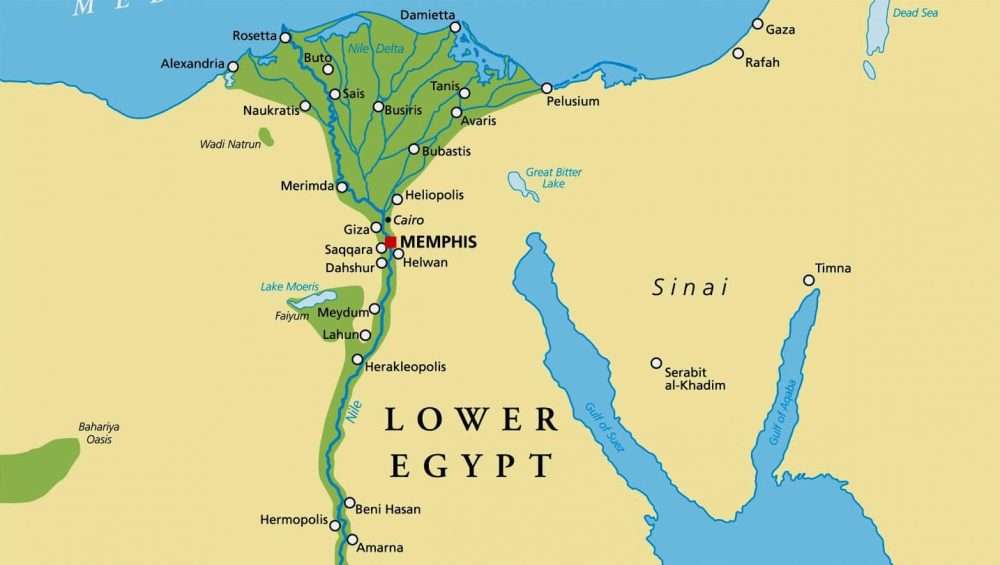
Egypt Map offers more than just a geographical guide—it’s a window into the rich and enduring history of a land that has shaped civilization. Each region on the map of Egypt holds stories of ancient wonders, sacred sites, and cultural legacies that continue to captivate the imagination of travelers and historians alike. By exploring the Egypt map, one embarks on a journey through time, discovering the profound historical treasures that define this remarkable country.
The Nile Egypt Map: Egypt’s Lifeblood Through History
The Nile River serves as the lifeblood that carved Egypt’s history into its map. Flowing from the south to the fertile delta in the north, it nurtures one of the earliest and most remarkable civilizations. Along its banks, the ancient Egyptians built incredible wonders that have stood the test of time. As a result, the map of Egypt emphasizes the Nile’s central role as the heart of both ancient settlements and modern cities alike.
For instance, the Pyramids of Giza rise majestically from the desert, showcasing ancient engineering and spiritual devotion. Similarly, the Sphinx watches over the landscape in silent mystery, guarding the secrets of a bygone age.
Luxor Egypt Map: The World’s Largest Open-Air Museum
Luxor, often regarded as the world’s largest open-air museum, stands as a monumental testament to Egypt’s grandeur. Its Karnak Temple, with towering obelisks and intricately carved walls, celebrates the gods and pharaohs of ancient Egypt. Furthermore, across the river, the Valley of the Kings houses royal tombs that whisper tales of the afterlife. Consequently, the map of Egypt marks Luxor as an essential destination for history enthusiasts.
In addition, the Mortuary Temple of Hatshepsut, nestled against dramatic cliffs, honors one of Egypt’s most extraordinary rulers. Its architectural beauty and serene surroundings make it a site of both historical and spiritual significance.
Aswan Egypt Map: Ancient Marvels and Modern Innovation
Aswan, a city of tranquility and history, is home to treasures such as the Abu Simbel temples. Engineers painstakingly relocated these colossal statues of Ramses II to protect them from flooding, showcasing modern engineering’s role in safeguarding ancient heritage. As a result, Aswan’s historical and cultural significance is clearly marked on Egypt’s map. Moreover, the nearby Philae Temple, dedicated to Isis, stands as a peaceful symbol of devotion amid the waters of the Nile.
Sinai Egypt Map: Sacred Mountains and Spiritual Paths
The Sinai Peninsula serves as a spiritual and historical crossroads. Mount Sinai, revered by multiple religions, attracts pilgrims seeking divine connection. At its base, the Monastery of Saint Catherine, a UNESCO World Heritage Site, houses religious artifacts and texts, preserving a centuries-old legacy. Thus, Sinai occupies a prominent place on the Egypt map as a region of immense spiritual and historical significance.
Alexandria: The Cultural Heart of Egypt
Alexander the Great founded Alexandria, and it remains a beacon of culture and history. The Catacombs of Kom El Shoqafa offer a glimpse into the fusion of Egyptian, Greek, and Roman influences. Furthermore, the modern Bibliotheca Alexandrina pays tribute to the ancient library, continuing the city’s legacy as a hub of knowledge and innovation. Consequently, Alexandria shines brightly on Egypt’s map as a symbol of intellectual wealth and historical importance.
Unveiling Egypt’s Wonders: A Journey Through Time
In conclusion, exploring Egypt’s map invites you to travel through time. Each landmark—whether the Pyramids or Sinai—tells a unique story of resilience, spirituality, and human achievement. Ultimately, the map serves not only as a guide for travelers but also as a living testament to the enduring legacy of a civilization that forever altered the world. Indeed, Egypt is not just a destination; it is a testament to the timeless wonders of its history.
/* Accordion FAQ Section */
.FAQ-container{margin:1.7em 0;font-size:19px;font-family:system-ui;line-height:1.7em; color: black;}
details.FAQ-Question{padding:18px 0;border-bottom:1px solid black;}
details.FAQ-Question:first-child{border-top:1px solid black;}
details.FAQ-Question summary{font-weight:700;cursor:pointer; display:flex;align-items:baseline}
details.FAQ-Question summary:hover{color:#dd277b;}
details.FAQ-Question summary::before{content:’203A’; flex:0 0 25px;display:flex;align-items:center;justify-content:flex-start;padding:0 5px; font-weight:400;font-size:1.33rem;color:inherit}
details.FAQ-Question[open] summary{color:#dd277b;}
details.FAQ-Question:not(.alt)[open] summary::before{transform:rotate(90deg);padding:0 0 0 5px;justify-content:center}
details.FAQ-Question.alt summary::before{content:’02B’; padding:0 2px}
details.FAQ-Question.alt[open] summary::before{content:’2212′}
details.FAQ-Question .FAQ-Answer{padding:0 25px;opacity:.9}
What makes the Egypt map historically significant?
اThe Egypt map highlights regions with ancient wonders, sacred sites, and cultural legacies that have influenced civilization for thousands of years.
Why is the Nile River considered Egypt’s lifeblood?
The Nile nurtured early civilizations by providing fertile land, fresh water, and a route for trade and transportation, shaping Egypt’s history and development.
What are the most famous landmarks along the Nile in Egypt?
The Pyramids of Giza, the Sphinx, Luxor’s temples, and the Valley of the Kings are among the most famous landmarks found along the Nile.
What is special about the Sinai region on the Egypt map?
Sinai is home to Mount Sinai, a sacred site in multiple religions, and the Monastery of Saint Catherine, a UNESCO World Heritage Site with ancient religious texts.