
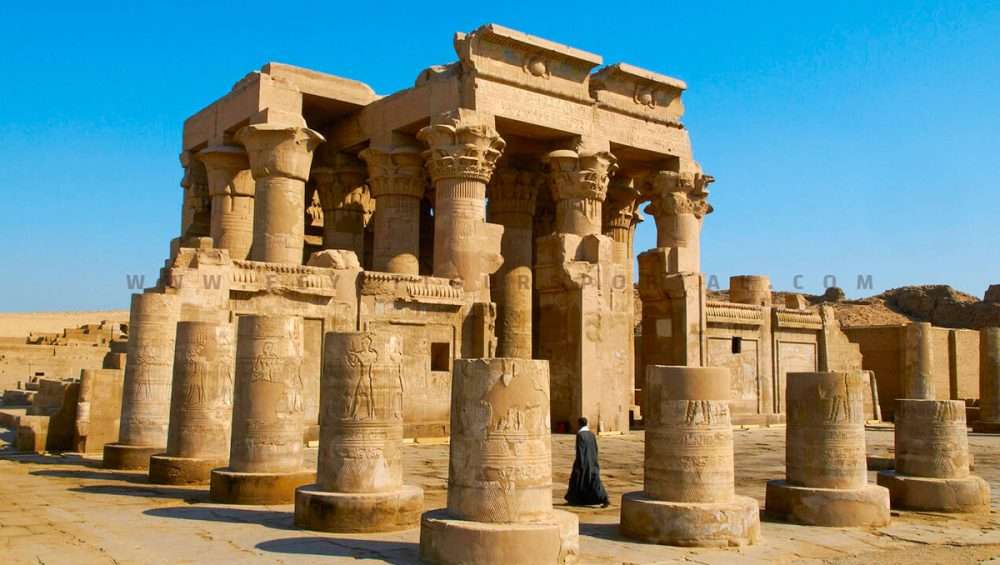

Ancient Egyptian Architecture: A Timeless Legacy
Ancient Egyptian architecture stands as one of the most enduring symbols of human ingenuity and creativity. From the colossal pyramids to intricate temple complexes, the architectural feats of this ancient civilization continue to captivate historians, archaeologists, and travelers alike. Indeed, the grandeur of Egyptian structures reflects not only their advanced engineering techniques but also their deep spiritual and cultural values.
Key Characteristics of Ancient Egyptian Architecture
1. Monumentality and Durability The architecture of Ancient Egypt is synonymous with large-scale, durable structures. For example, the Egyptians quarried, transported, and shaped limestone, granite, and sandstone with meticulous precision, ensuring the longevity of their creations. Consequently, the Great Pyramid of Giza, one of the Seven Wonders of the Ancient World, exemplifies this focus on permanence and scale.
2. Religious Significance Religion lay at the heart of Ancient Egyptian life, and their architecture reflected this devotion. Temples dedicated to gods and goddesses, such as Karnak and Luxor, featured massive columns, elaborate carvings, and sacred precincts. Moreover, these structures honored deities and served as bridges between the earthly and the divine.
3. Hierarchical Design Ancient Egyptian buildings often adhered to a strict hierarchy, symbolizing social and cosmic order. For instance, architects carefully planned the layout of temple complexes to guide worshippers from the profane outer areas to the sacred inner sanctuaries. This progression mirrored the journey toward enlightenment and spiritual connection, which was central to their beliefs.
Notable Architectural Achievements
The Pyramids of Giza No discussion of Egyptian architecture is complete without mentioning the pyramids. Builders constructed these royal tombs during the Old Kingdom period to embody the Egyptians’ belief in an eternal afterlife. Additionally, they aligned the pyramids precisely with celestial bodies, showcasing their advanced knowledge of astronomy.
The Temple of Karnak A sprawling complex in Luxor, the Temple of Karnak testifies to the evolution of Egyptian religious architecture. Its Hypostyle Hall, with its forest of massive columns, represents one of the most impressive architectural achievements in history. Furthermore, the temple’s design incorporates symbolic elements that reflect the Egyptians’ cosmological beliefs.
The Mortuary Temple of Hatshepsut Located at Deir el-Bahari, this temple blends architectural innovation and aesthetic harmony. Architects designed it to honor Queen Hatshepsut, one of Egypt’s most successful pharaohs, harmonizing its terraces and colonnades with the surrounding cliffs. As a result, it remains a significant example of their ability to integrate architecture with nature.
Architectural Techniques and Innovations
1. Mastery of Stonework The precision with which ancient Egyptians quarried and carved stone remains remarkable. For instance, workers used tools made of copper and later bronze to shape massive blocks. They joined the stones so precisely that even modern technology struggles to replicate them.
2. Use of Columns Columns defined Egyptian architecture. Designers drew inspiration from natural forms, creating papyrus, lotus, and palm capitals that underscored their connection to the environment. Moreover, these columns often served both functional and aesthetic purposes, supporting roofs while adding to the visual grandeur.
3. Decorative Elements Artists adorned the walls of temples and tombs with intricate carvings, hieroglyphics, and vibrant paintings. These decorations not only enhanced the aesthetic appeal but also conveyed religious and historical narratives. Consequently, they provide valuable insights into the beliefs and daily lives of the ancient Egyptians.
Legacy and Influence
The architectural innovations of Ancient Egypt have left an indelible mark on subsequent civilizations. For instance, Greek and Roman architects drew inspiration from Egyptian column styles and monumental designs. Even today, Egyptian motifs appear in neoclassical and modern architecture, reflecting the timeless appeal of their designs.
Conclusion
Ancient Egyptian architecture represents more than a collection of structures; it offers a window into a civilization that valued eternity, spirituality, and artistry. By studying their monumental creations, we gain insight into the cultural and technological achievements of a people who sought to leave a legacy that would endure for millennia. Therefore, as a testament to human ingenuity, Egyptian architecture continues to inspire awe and admiration around the world.
Explore Ancient Egyptian Civilization On the Reality
There is no better place on earth that can reflect the true soul of ancient architecture than the enchanting monuments of Egypt. Don’t miss the chance to be in the land of wonder and beauty through our Egypt vacation packages or onboard a Nile river cruise and sail on the holy spirit of the past.