Egyptian Hieroglyphs: The Ancient Language of Symbols
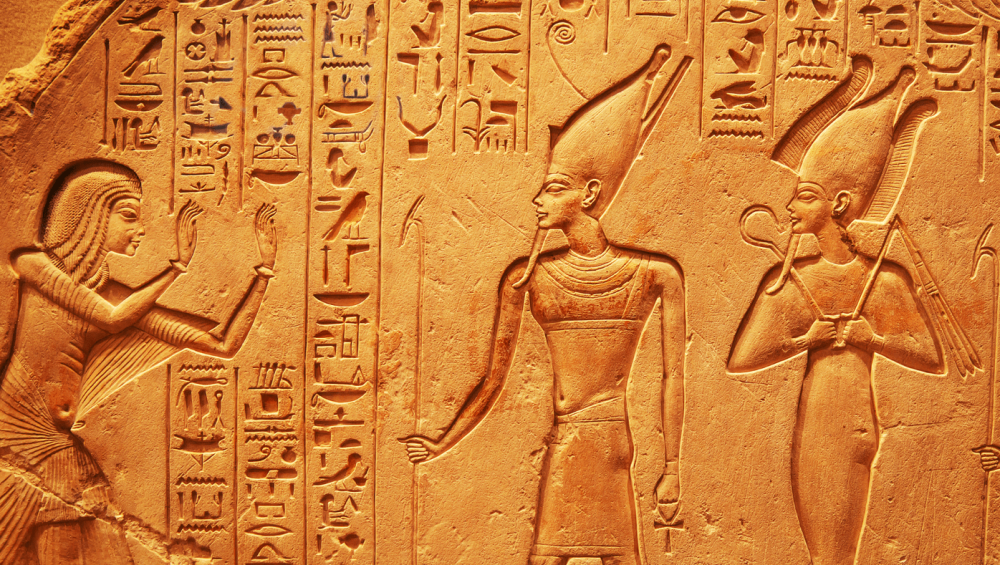
Egyptian hieroglyphs, one of the oldest and most fascinating writing systems in history, were a cornerstone of ancient Egyptian culture. These symbolic inscriptions, dating back to around 3100 BCE, were used for religious texts, monumental inscriptions, and everyday communication. Combining art and language, hieroglyphs reveal the rich tapestry of ancient Egypt’s spiritual beliefs, societal structure, and daily life.
Origins and Evolution
Hieroglyphic writing emerged during the Early Dynastic Period of ancient Egypt. It comprised over 700 symbols, including pictographs, ideograms, and phonograms. These symbols could represent objects, ideas, or sounds, making Egyptian hieroglyphs a complex but versatile system of communication. Over time, this intricate script evolved into two simplified forms: hieratic (used for religious and administrative purposes) and demotic (for everyday writing).
Religious and Monumental Use
Hieroglyphs are most famously associated with sacred texts like the Pyramid Texts and Book of the Dead. Found inscribed in tombs, temples, and monuments, these texts offered prayers, spells, and guidance for the afterlife. Temples like Karnak and Luxor are adorned with hieroglyphic inscriptions that narrate the deeds of pharaohs and honor the gods.
Deciphering Hieroglyphs
For centuries, the meaning of Egyptian hieroglyphs was lost until the discovery of the Rosetta Stone in 1799. This invaluable artifact featured the same text in Greek, Demotic, and hieroglyphs, enabling scholars like Jean-François Champollion to unlock their secrets in the early 19th century. The Rosetta Stone remains a symbol of linguistic discovery and ancient Egyptian studies.
Hieroglyphic Artistry and Symbolism
Hieroglyphs were more than just writing; they were a form of art. Skilled scribes arranged symbols harmoniously, often integrating them into elaborate scenes. The symbols carried deep meanings—representing deities, natural elements, or abstract concepts. For example, the ankh symbolized life, while the scarab beetle represented rebirth and transformation.
End of an Era
The use of hieroglyphs declined after Egypt’s conquest by Alexander the Great and the subsequent rise of Christianity in the Roman Empire. By the 4th century CE, hieroglyphs were replaced by Coptic and Greek alphabets, leaving this ancient script as a relic of Egypt’s golden age.
Modern Fascination with Hieroglyphs
Today, Egyptian hieroglyphs captivate historians, linguists, and tourists alike. Museums around the world display hieroglyphic artifacts, while Egyptologists continue to uncover new inscriptions in archaeological sites. Their legacy lives on, offering insight into one of the most advanced civilizations of the ancient world.
YOU MAY ALSO BE INTERESTED IN…
A Luxury Vacation in Egypt, Cairo and the Nile: The Holiday of Kings