So, you’re planning a trip to Egypt. That’s exciting! The land of the pyramids, the Sphinx, and an incredibly rich history. But with so much to see, it can feel a little overwhelming, especially if it’s your first time. Don’t worry; I’ve got you covered. Whether you’re there for the ancient wonders, the incredible architecture, or just the experience of being in one of the world’s oldest civilizations, this 10-day itinerary will help you make the most of your time.
Day 1: Arrival in Cairo
Your journey begins in Cairo, the bustling heart of Egypt. After arriving, settle into your hotel and take a deep breath. Yes, Cairo is busy, chaotic, and sometimes overwhelming, but that’s part of its charm. You’ll probably want to rest after your flight, but if you’re feeling up to it, take a casual stroll through the city or grab a bite to eat. Egyptian food is delicious—don’t miss trying koshari, a filling dish of rice, lentils, pasta, and fried onions.
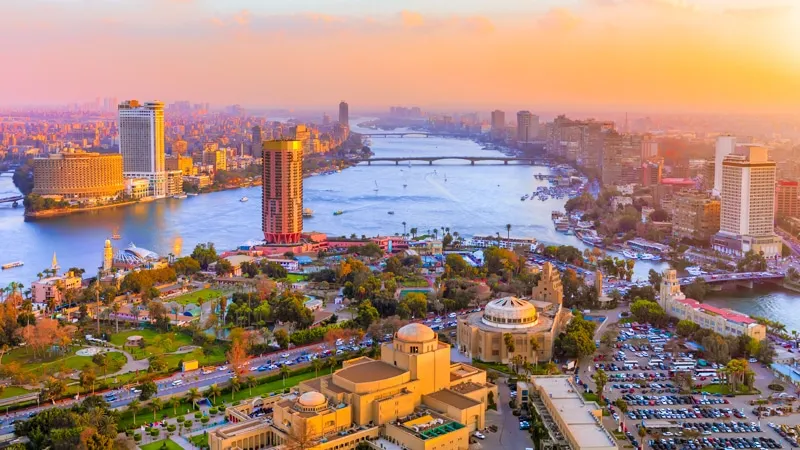
If you’re not completely exhausted, a quick evening visit to the Nile Corniche to see the river at night is a relaxing way to kick off your trip. The Nile is iconic, and there’s something surreal about seeing it in person, especially when the city lights reflect off the water.
Day 2: The Pyramids of Giza and the Sphinx
Okay, the big day. The Pyramids of Giza are THE reason many people visit Egypt. You can’t come here without seeing them, and trust me, they live up to the hype. Standing in front of the Great Pyramid is a humbling experience—it’s hard to wrap your head around the fact that it’s been there for over 4,500 years.
Once you’ve marveled at the pyramids, make sure to spend some time with the Sphinx. It’s not as massive as the pyramids, but it’s just as awe-inspiring. If you’re up for it, you can take a camel ride around the pyramids. Sure, it’s touristy, but it’s a pretty cool way to take in the scenery.
Afterward, head back to Cairo for a quiet evening. Tomorrow is another busy day.
Day 3: Egyptian Museum and Old Cairo
Cairo is home to the Egyptian Museum, and no first-time visit would be complete without it. You’ll want to allocate a few hours here to see the incredible collection of artifacts, including the famous treasures of King Tutankhamun. Honestly, there’s so much to take in, it can feel a little overwhelming at first. But if you’re into history (or just love looking at ancient jewelry), this is the place.
After the museum, take some time to explore Old Cairo. Visit the Coptic Museum and perhaps check out the Hanging Church, which is pretty remarkable. The area is quieter than the rest of Cairo, so it’s a nice change of pace.
Day 4: Travel to Luxor
The next leg of your journey takes you to Luxor, often referred to as the world’s greatest open-air museum. Depending on your schedule, you can either fly or take a sleeper train from Cairo. Flying is faster, but the train ride offers a bit of an adventure—just be prepared for a long journey.
Once you arrive in Luxor, settle into your hotel, and if time permits, take a leisurely walk along the Nile at sunset. The views are beautiful, and Luxor has a much slower pace compared to Cairo. It’s a good place to unwind before diving into the history.
Day 5: Karnak Temple and Luxor Temple
Start your day with the massive Karnak Temple, one of Egypt’s most impressive sites. It’s a labyrinth of massive columns, towering statues, and ancient obelisks. Walking through Karnak, you’ll get a real sense of how grand ancient Egyptian temples were. The sheer size of everything can make you feel a little small, but in a good way.
After Karnak, head over to Luxor Temple. It’s smaller than Karnak, but still spectacular, especially when lit up at night. There’s something about the way the light hits the ancient stones that just makes the place feel magical.
Day 6: The Valley of the Kings
Today is a big one—prepare to be wowed. The Valley of the Kings is where many pharaohs, including Tutankhamun, were buried. The tombs are tucked away in the mountains, and visiting them feels like stepping back in time. You’ll want to see the tombs of Ramses VI and Seti I, but of course, don’t skip King Tut’s tomb. Even though it’s smaller than some of the others, it’s one of the most famous.
If you have the time and energy, you could also visit the nearby Valley of the Queens, where the wives of the pharaohs were buried. It’s a peaceful and less crowded spot, perfect for reflecting on all the history you’ve absorbed.

Day 7: Hatshepsut Temple and Colossi of Memnon
Take it easy today, but don’t miss the Temple of Hatshepsut. This is one of Egypt’s most architecturally stunning sites, built into the side of a mountain. Hatshepsut was one of Egypt’s few female pharaohs, and her temple is a reflection of her power and ambition. It’s impressive, and you can really get a sense of the scale and grandeur of ancient Egyptian architecture.
On your way back, stop by the Colossi of Memnon, two giant statues that have been standing guard for over 3,000 years. They’re not as awe-inspiring as the pyramids, but there’s something deeply serene about these ancient giants.
Day 8: Travel to Aswan
After a few days in Luxor, it’s time to head south to Aswan. Aswan is a bit more laid-back than Luxor, and it’s a perfect place to relax. You can take a flight, or if you’re in the mood for a scenic journey, travel by train. Either way, the views along the Nile are stunning.
Once in Aswan, explore the markets, or take a boat ride on the Nile to visit Elephantine Island. The island has a peaceful vibe, and you’ll find a couple of historical sites here. It’s also a great place to enjoy the sunset.
Day 9: Abu Simbel
Abu Simbel is one of those places that feels like it’s from another world. The two massive temples, carved into the mountainside by Ramses II, are awe-inspiring. Getting there early is a good idea, as the heat can get intense later in the day. Trust me, it’s worth the early start—the sight of these colossal statues against the desert landscape is unforgettable.
If you have time, you can visit the Nubian Museum back in Aswan. It’s a lovely spot to learn more about the region’s history.
Day 10: Return to Cairo
On your last day, take the flight back to Cairo. If you have a few extra hours before your flight, consider visiting the Citadel for panoramic views of the city or the famous Khan El Khalili Bazaar for some last-minute shopping.
Egypt is a place that offers layers upon layers of history and culture, and a 10-day itinerary can only scratch the surface. But hopefully, this guide gives you a good mix of the ancient wonders, the cultural experiences, and a bit of downtime to just soak it all in. It’s going to be a trip to remember. Enjoy!