Rameses: The Legendary Pharaohs of Ancient Egypt
The name Ramses (sometimes spelled Ramses or Ramesses) is one of the most powerful and recognizable in ancient Egyptian history. Several pharaohs of the New Kingdom bore the name, but the most famous were Rameses II, known as Rameses the Greate Rameses III, a warrior king who defended Egypt against foreign invasions. The legacy of the Rameses pharaohs lives on in monuments, temples, and inscriptions, reflecting their greatness as builders, warriors, and rulers.
The Meaning of the Name Rameses
The name Ramses comes from the ancient Egyptian “Ra-mes-su,” meaning “Born of Ra” (the sun god). This connection to Ra symbolized the divine origin of the king and reinforced his role as the earthly representative of the gods.
Rameses in Egyptian History
Eleven pharaohs of the New Kingdom (19th and 20th Dynasties) carried the name Rameses. Their reigns spanned from around 1292 BCE to 1077 BCE. While some were more prominent than others, they collectively shaped Egyptian power and culture during one of its most influential eras.
The two most famous rulers are:
-
Rameses II (Rameses the Great) – The third pharaoh of the 19th Dynasty, ruling from 1279–1213 BCE.
-
Rameses III – The second pharaoh of the 20th Dynasty, ruling from 1186–1155 BCE.
Rameses II: The Great Builder and Warrior
Early Life and Rise to Power
Rameses II, son of Pharaoh Seti I and Queen Tuya, became pharaoh around the age of 25. His reign lasted for an incredible 66 years, one of the longest in Egyptian history.
Military Campaigns
Rameses II was both admired and feared as a warrior king. His most famous battle was the Battle of Kadesh against the Hittites in 1274 BCE. Though the battle ended in a stalemate, it led to the first known peace treaty in history, signed between Egypt and the Hittite Empire.
Rameses also led campaigns into Nubia and Syria, expanding Egyptian influence and securing its wealth.
Monuments and Temples of Rameses II
Rameses II was an extraordinary builder, leaving behind some of Egypt’s greatest monuments:
-
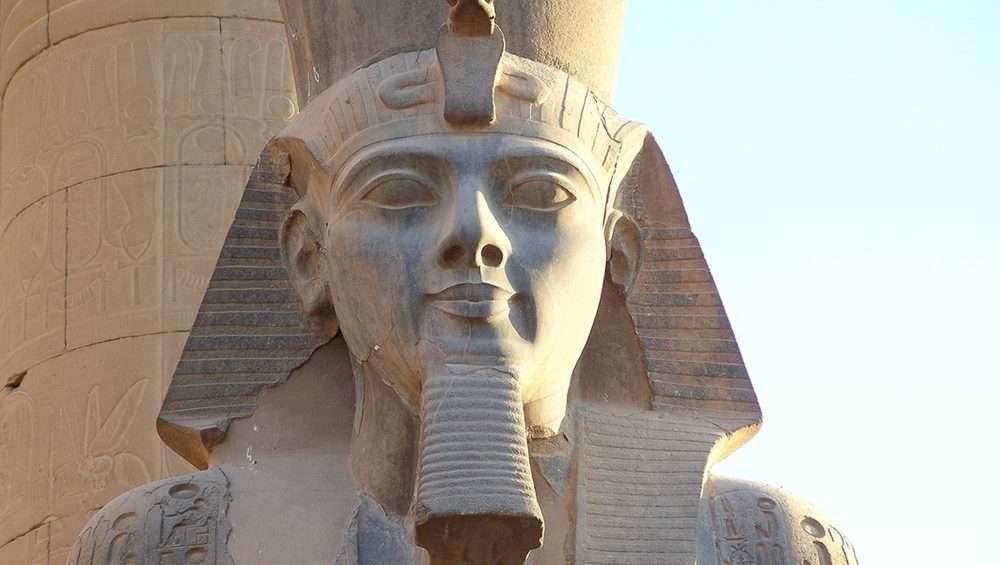
Templi Di Abu Simbel – Colossal rock-cut temples in Nubia with four massive statues of Rameses guarding the entrance.
-
Ramesseum – His mortuary temple in Thebes, filled with colossal statues and inscriptions glorifying his reign.
-
Karnak e Luxor Templi – He expanded these iconic religious complexes with pylons, obelisks, and statues.
His monuments ensured that his name would be remembered for thousands of years, earning him the title Rameses the Great.
Family and Legacy
Rameses II had a vast royal family—over 100 children from his many wives and concubines. His favorite queen, Nefertari, was honored with a magnificent tomb in the Valley of the Queens, decorated with some of the finest art in Egypt.
When he died at around 90 years old, Rameses was buried in the La valle dei Re. His mummy, discovered in 1881, is now one of the best-preserved royal mummies in the Egyptian Museum in Cairo.
Rameses III: Defender of Egypt
Reign and Challenges
Rameses III, often considered the last great pharaoh of Egypt, ruled during the 20th Dynasty. His reign was marked by constant threats from foreign invaders, including the notorious Sea Peoples, Libyans, and other groups.
Military Victories
Rameses III successfully repelled the Sea Peoples in a decisive naval battle around 1175 BCE. Reliefs at Medinet Habu Temple, his mortuary temple in Thebes, depict these battles in vivid detail. His victories protected Egypt from collapse, at least temporarily.
Economic Struggles
Despite his military successes, Rameses III’s reign faced economic difficulties. Strikes among workers at Deir el-Medina (the first recorded labor strike in history) occurred due to delayed wages. This showed that Egypt was beginning to weaken internally, even under strong leadership.
Death and Assassination Conspiracy
Rameses III’s death remains shrouded in intrigue. The Harem Conspiracy, led by one of his secondary wives, Tiye, and her son, aimed to assassinate the king and place her child on the throne. Papyrus records and CT scans of his mummy suggest his throat was cut, confirming he was murdered.
Other Pharaohs Named Rameses
While Rameses II and Rameses III are the most famous, other rulers named Ramses also contributed to Egyptian history:
-
Rameses I – Founder of the 19th Dynasty, though his reign lasted only about 16 months.
-
Rameses IV–Rameses XI – Later pharaohs of the 20th Dynasty, who struggled with declining power, invasions, and economic difficulties. Their reigns marked the gradual fall of the New Kingdom.
Rameses in Religion and Culture
Il Rameses pharaohs were closely linked to the gods, especially Amon-Ra. They built temples, expanded sanctuaries, and dedicated colossal statues to emphasize their divine authority.
In later cultures, Rameses became a symbol of Egyptian power. The Bible mentions a “Pharaoh of the Exodus,” whom some historians and religious scholars have associated with Rameses II, though this remains debated.
Rameses in Modern Discoveries
Modern archaeology has revealed much about the reigns of the Rameses pharaohs. From colossal statues to hieroglyphic inscriptions, Egyptologists have pieced together their military campaigns, building projects, and religious rituals.
-
The mummy of Rameses II is displayed in the National Museum of Egyptian Civilization in Cairo.
-
The Medinet Habu Temple of Rameses III remains one of the best-preserved mortuary temples in Egypt.
-
Ongoing excavations at the Ramesseum continue to uncover details of Rameses II’s grand legacy.
Conclusione
The name Ramses stands as a symbol of power, longevity, and resilience in ancient Egypt. Rameses II, the great warrior and builder, left behind temples and monuments that continue to inspire awe. Rameses III, the defender of Egypt, preserved the nation against devastating invasions, even though internal decline eventually weakened the empire.
Together, the Rameses pharaohs represent both the heights of Egyptian civilization and the struggles of its decline. Their legacy remains immortal, carved in stone and written in history, ensuring that the name Ramses will forever echo across the sands of Egypt.
Book With us Nilo Crociere