Ancient Egyptian Religion : Gods, Beliefs, and Mythology
Introduction to Ancient Egyptian Religion
Ancient Egyptian religion was a complex system of polytheistic beliefs and rituals integral to Egyptian civilization for over 3,000 years. Deeply rooted in mythology, magic, and the afterlife, this belief system influenced every aspect of Egyptian life. Consequently, it shaped governance, daily activities, and societal norms. Moreover, it provided a moral framework that guided individuals in their daily lives.
The Pantheon of Egyptian Gods and Goddesses
The Egyptians worshipped a vast pantheon of gods and goddesses, each representing different aspects of nature, life, and death. For instance, some of the most significant deities included:
- Ra (Re) – The sun god, considered the creator of the universe and ruler of all gods.
- Osiris – God of the afterlife, resurrection, and judge of the dead.
- Isis – Goddess of magic, motherhood, and protection.
- Horus – Sky god and protector of the pharaoh.
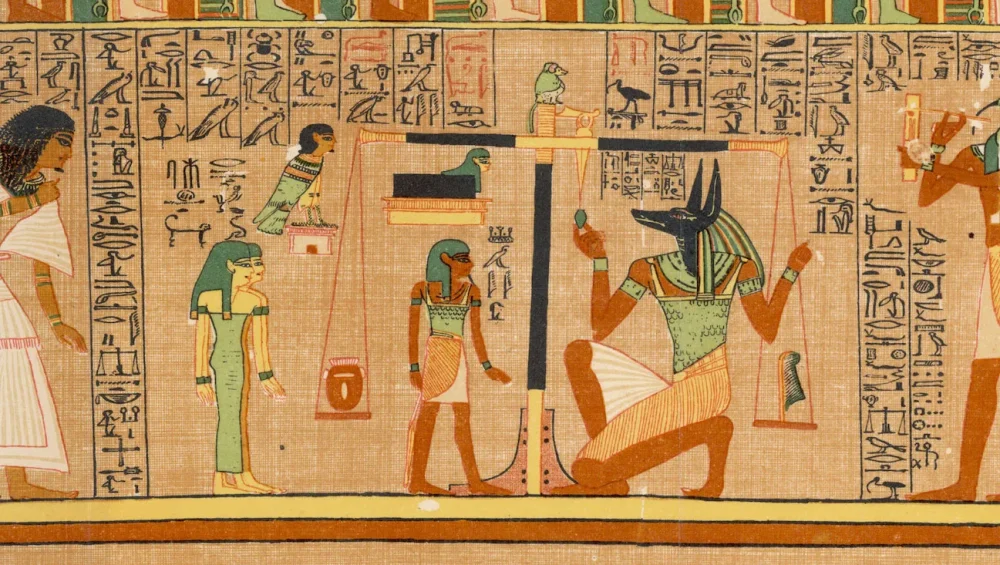
- Anubis – Jackal-headed god of mummification and the afterlife.
- Thoth – God of wisdom, writing, and knowledge.
- Seth (Set) – God of chaos, storms, and war.
- Hathor – Goddess of love, music, and fertility.
Additionally, these gods often had intricate relationships and overlapping roles, which contributed to the richness of Egyptian mythology.
Beliefs About the Afterlife : Ancient Egyptian Religion
One of the core principles of Ancient Egyptian religion was the belief in the afterlife. Consequently, Egyptians believed that life continued beyond death and prepared meticulously for it. The concept of Ma’at, meaning truth, balance, and justice, played a crucial role in determining a person’s fate in the afterlife. Therefore, individuals strived to live a righteous life to ensure a favorable outcome in the afterlife.
The Journey to the Afterlife
- Mummification – The body was embalmed to preserve it for eternity.
- The Weighing of the Heart – The deceased’s heart was weighed against the feather of Ma’at by Osiris and Anubis. If it was lighter, the soul could enter the Field of Reeds (Egyptian paradise); however, if heavier, it was devoured by Ammit.
- The Book of the Dead – A collection of spells and instructions to guide the soul through the underworld.
Thus, these rituals and beliefs reinforced the importance of living an ethical life to secure a prosperous eternity.
Religious Practices and Temples
Egyptians built grand temples as places of worship and residence for the gods. As a result, many temples became central to religious activities. Notable temples include:
- Temple De Karnak – Dedicated to Amun-Ra, the king of the gods.
- Le Temple De Louxor – A major religious site in Thebes.
- Abou Simbel – Built by Ramses II to honor the gods and himself.
- Temple d'Hatchepsout – A mortuary temple honoring one of Egypt’s few female pharaohs.
Furthermore, daily religious practices included offerings, prayers, and festivals honoring specific gods. Consequently, the priests and priestesses played a crucial role in maintaining the divine connection by performing rituals and overseeing temple activities. Additionally, elaborate ceremonies and festivals were held to celebrate divine figures and secure their favor.
Influence of Ancient Egyptian Religion on Modern Culture
Many aspects of Ancient Egyptian religion still influence modern society. For example, mystical symbolism, funerary traditions, and spiritual beliefs remain relevant today. Additionally, the concept of an eternal soul, the significance of balance and morality, and even religious imagery (such as the L'oeil d'Horus) persist in various spiritual and cultural traditions today. Moreover, many modern esoteric and occult practices incorporate elements of Egyptian mysticism.
Conclusion
Ancient Egyptian religion was more than just mythology—it was a way of life. Since the Egyptians held a profound belief in gods, the afterlife, and spiritual balance, their civilization flourished. Consequently, this belief system continues to fascinate historians, archaeologists, and spiritual seekers. Furthermore, by studying their religious practices, we gain insight into one of the world’s most advanced and enigmatic cultures. Ultimately, their spiritual legacy continues to captivate and inspire people across the globe.
L'Egypte Tours
Unveil ancient Egyptian symbols! Explore Egypt’s majestic pyramids, sail the legendary Croisière sur le nil, and witness Luxor’s temples. Our immersive Egypt tour packages offer exclusive experiences and cultural delights. Budget-friendly or luxury, find your perfect Egyptian adventure and embark on an unforgettable journey