Egypt Culture and Traditions: A Journey Through Time

Egypt is a land steeped in history, culture, and traditions that reflect its rich and diverse heritage. From the ancient days of the Pharaohs to the vibrant life of Egyptian people today, the nation’s cultural tapestry offers a fascinating blend of continuity and evolution.
Who Are the Egyptian People?
The Egyptian people are descendants of one of the world’s oldest civilizations. Ancient Egypt was a melting pot of various ethnicities and cultures due to its geographical location at the crossroads of Africa, the Middle East, and the Mediterranean. This historical intermingling has shaped the identity of Egyptians over millennia.
A question often arises: Are Egyptian people Black? The answer to this lies in understanding Egypt’s geographical and historical context. Ancient Egypt spanned a diverse region, and its people displayed a variety of physical characteristics, reflecting their African, Mediterranean, and Middle Eastern roots. Some scholars emphasize the African heritage of ancient Egyptian people, pointing to their connections with neighboring African cultures, while others highlight the Mediterranean influences.
Egyptian People Today
In modern Egypt, the population continues to reflect this diversity. Egyptian people today are known for their warmth, hospitality, and deep sense of community. Arabic is the official language, and Islam is the predominant religion, although Egypt is also home to a significant Christian Coptic minority. Egyptians value family life, with strong ties to extended family members playing a central role in society.
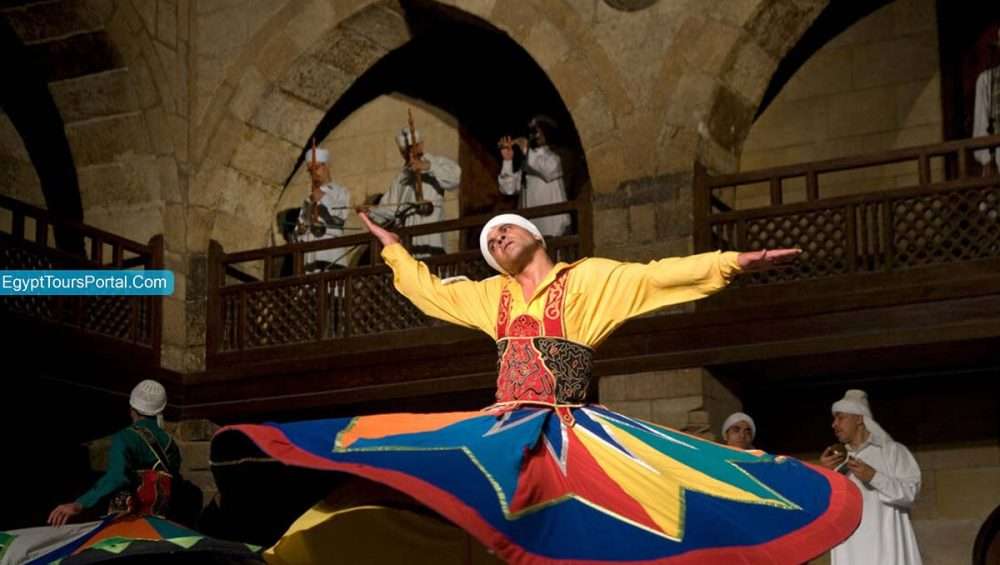
The arts and cultural expressions of contemporary Egypt are a vibrant mix of old and new. Traditional music, folk dances, and crafts coexist with modern cinema, literature, and art. Despite economic and social challenges, Egyptians remain deeply proud of their heritage and traditions.
Cultural Practices and Traditions
Egypt’s traditions are deeply rooted in its historical and religious foundations. Celebrations like Ramadan and Eid, as well as Coptic Christian festivals, are integral to the social calendar. Weddings in Egypt are grand affairs, featuring age-old customs such as the zaffa, a celebratory procession of music and dancing.
Food is another cornerstone of Egyptian culture. Dishes like koshari, molokhia, and foul medames are staples that tell the story of Egypt’s culinary evolution. Sharing meals is a key aspect of Egyptian hospitality, reflecting the communal spirit of its people.
Ancient Egyptian People: A Legacy That Lives On
The ancient Egyptian people left behind a legacy that continues to captivate the world. From the Pyramids of Giza to the hieroglyphic inscriptions, their innovations in architecture, mathematics, and art were groundbreaking. They were skilled agriculturists, harnessing the Nile River’s annual floods to sustain their civilization.
Ancient Egypt’s spiritual beliefs, centered on the afterlife and a pantheon of gods, still resonate in modern cultural practices, such as funeral rites and superstitions. The profound respect for history and heritage seen in Egyptian people today can be traced back to these ancient roots.
Conclusion
Egyptian culture and traditions are a testament to the resilience and adaptability of the Egyptian people. Whether exploring the enduring question of are Egyptian people Black, celebrating the accomplishments of ancient Egyptian people, or appreciating the vibrancy of Egyptian people today, it is clear that Egypt’s cultural heritage is a source of inspiration and pride. This ancient land continues to bridge its storied past with the dynamic energy of the present, making it a unique cultural beacon in the modern world.