Exploring the Wonders of the Red Sea

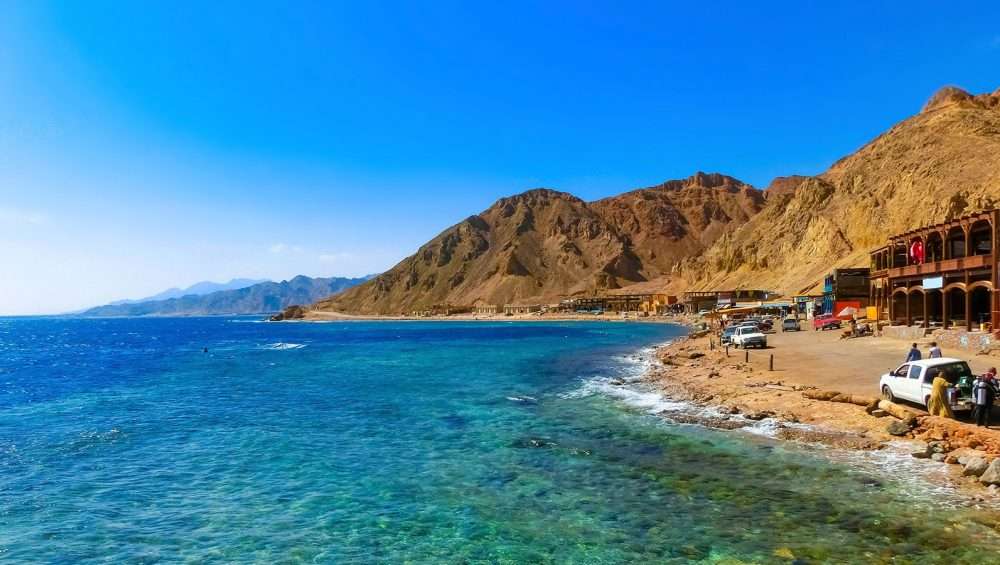
The Red Sea captivates with its natural beauty, rich history, and unique marine ecosystem. Located between Africa and the Arabian Peninsula, it stretches for about 2,300 kilometers (1,400 miles). The sea connects the Mediterranean to the Gulf of Aden and the Arabian Sea through the Suez Canal. As a result, its strategic location has made it a key shipping route throughout history. However, it is its remarkable natural features that continue to draw the interest of explorers and researchers.
The Vibrant Marine Life of the Red Sea
This region is home to a vibrant and diverse marine life. For instance, the waters teem with pristine coral reefs and a variety of species, from colorful tropical fish to majestic sea turtles. These reefs form one of the most biodiverse underwater environments globally. Furthermore, high salinity, warm temperatures, and low nutrient levels create an ideal habitat for marine organisms to thrive.
In addition, underwater features such as submerged mountains, caves, and deep drop-offs make the area an excellent spot for exploration. Consequently, scuba diving enthusiasts flock to see these marvels up close. The clear waters allow for great visibility, which makes it a top destination for underwater adventure.
The Strategic Importance of the Suez Canal
The Red Sea has long served as an important trade route. Specifically, the Suez Canal connects the Mediterranean Sea to the Indian Ocean, enabling ships to bypass Africa. As a result, this passage has played a key role in trade, especially in ancient times when merchants transported goods like spices, silk, and metals.
Moreover, the sea also held military importance. Civilizations such as the ancient Egyptians, Romans, and the Ottoman Empire recognized its strategic value. Even today, it remains crucial for global trade, with oil tankers and cargo ships passing through the Suez Canal regularly.
Uncovering the History of Ancient Civilizations
The Red Sea holds significant historical value, often appearing in ancient texts and religious scriptures. For example, one of the most famous stories is the biblical tale of the Exodus, in which Moses is said to have parted the waters to lead the Israelites to freedom. As a result, this event made the sea a site of pilgrimage for many.
Additionally, the region has witnessed numerous naval battles and expeditions. Notably, the Egyptians were among the first to utilize this waterway for trade and military purposes. Over time, it played a central role in the development of various empires and kingdoms in the region.
Environmental Challenges in the Red Sea Region
Today, the Red Sea faces significant challenges. These include overfishing, pollution, and climate change, all of which pose threats to its ecosystems. Specifically, rising sea temperatures and acidification are damaging coral reefs. Therefore, these threats make conservation efforts more important than ever. Countries bordering the sea, such as Egypt, Saudi Arabia, Sudan, and Yemen, are working to protect this valuable resource.
To mitigate these issues, marine protected areas (MPAs) have been established to safeguard marine life. In addition, stricter regulations on fishing and tourism are in place. These efforts aim to balance economic growth with the need for environmental preservation.
Protecting a Natural Wonder for Future Generations
The Red Sea is a true marvel, blending history, beauty, and marine biodiversity. Whether you’re an adventurer, a historian, or simply a nature lover, this region offers something for everyone. As it continues to serve as a vital passage for global trade and a critical habitat for marine species, its protection remains crucial. By fostering awareness and implementing sustainable practices, we can ensure its health and vitality for future generations.
After visiting the Egypt’s most iconic and historical sites, dive into a relaxing experience at the Red Sea with its dizzying array of marine life through a trip to Egypt.